
コロナ禍は、多くの人の生活を揺らした。
けれど海江田悠輔さんにとってそれは、人生の“スイッチ”が入る出来事でもあった。
上海駐在から一時帰国。
「1週間くらいで戻るつもり」が、気づけば家族が東京と愛知に分かれて暮らす期間が延びていく。
その最中、小学5年の長女が“受験したい”と言い出し、結果は合格。家族が一つの場所で暮らす未来へ舵を切ることになる。
第一志望で入った会社を離れ、実家の不動産を継ぐ。
それは「やりたくて始めた」というより、家族を守るための現実的な選択だった。
ただ、そこで終わらないのが海江田さんだ。心の奥にはずっと、“人を助ける仕事”への憧れが残っていた。
家業の不動産と、「心と頭を使って助ける」仕事
現在の海江田さんの仕事は、大きく二つ。
一つは家業である不動産。居住用賃貸と戸建ての分譲販売を扱う。
そしてもう一つが、本人の“本命”とも言える領域だ。
トヨタの源流企業で培った問題解決の技術。
そこにアドラー心理学を土台にしたコーチングを掛け合わせて、中小企業や個人事業主の「夢の叶え方」を一緒に設計していく。
本人の言葉を借りれば、それは“体を張る”仕事ではない。
けれど、心と頭を使って、人の人生や組織を前に進める。
形が違うだけで、目指していた「人を助ける」は、ここに着地していた。
「トヨタで培ってきたコンサルのノウハウと、アドラー心理学に基づくコーチング。この二つをくっつけて…できるなと思って始めています。」
上海駐在で鍛えたのは、体力ではなく“仕組みを作る力”
中国・上海で任されていたのは、調達の業務効率化、原価改善、不正防止。
体力勝負ではなく、徹底的に頭を使う仕事だった。
海外赴任を希望していたわけでも、中国語が話せたわけでもない。
それでも「行け」と言われたから行った。
そして、やるべき命題を形にして帰ってきた。
このエピソードは、海江田さんの特徴をよく表している。
“強い願望”が先にあるというより、置かれた状況を引き受け、組み立て、結果へつなげる。
後から振り返ったときに、それが自分の資質や使命と結びついていく。
コーチングとコンサルの“間”に立つ。押し付けないのに、進む設計
起業当初はコンサル一本でいくつもりだった。
ところが、ある友人の一言と、雨で少年野球コーチの仕事が流れた“暇な日”が流れを変える。
誘われて行ったアドラー心理学のセミナーが、想像以上に面白かった。
そこから学びが深まり、ついには講師まで務めるようになる。
海江田さんが語るコーチングとコンサルの違いは、シンプルで実務的だ。
コーチングは、相手から引き出し、動機を上げる。
コンサルは、ノウハウを当てはめ、正解を提示する。
ただし“腹落ち”がないと人は動かない。だから、両方が必要になる。
引き出しながら、必要なときに視点を足す。
押し付けないのに、計画が立ち、行動が進む。
この「間の設計」が、どんな業種でも通用する理由になっている。
「相手から引き出しながら、ちょっと待ったらコンサルのノウハウで…押し付けが一切ないですね。」
野球未経験のコーチが、子どもたちの表情を変えた
さらに意外なのが、少年野球のコーチを4年続けていること。
しかも本人は、野球経験がない。
最初は断った。
監督が怒り、選手が泣くチームを見て「何のためにやってるんだろう」と感じたからだ。
それでも頼まれて引き受けることになり、象徴的な出来事が起きる。
ベンチ要員で、キャッチボールも続かず、打率0割だった息子さんに、1週間だけ教え込む。
「練習試合でヒットが出たらやる」──そう決めたら、本当に打ってしまった。
そこからチームは変わる。
“難しいこと”をしたわけではない。
「どういうチームになりたい?」
「そのために何をする?」
この問いと設計が、子どもたちの表情を変え、結果もついてきた。
そして海江田さんは、同時に別の違和感も見ていた。
学校では、子どもたちが無表情に見えたこと。
そのギャップが、「教育を変えたい」へつながっていく。
古事記は“日本人の教科書”。天岩戸が教える、パズルの法則
教育を考えるうちに、海江田さんの関心は古事記へ深まっていく。
神社巡りをし、学びを重ね、ついには本を書き始めたという。
印象的だったのは、天岩戸のエピソードの捉え方だ。
闇の状況をひっくり返したのは、誰か一人の完璧さではなく、才能の持ち寄りだった。
踊りが得意、音楽が得意、鏡を作れる、力がある。
それぞれの役割が噛み合ったとき、扉が開く。
海江田さんは、この構造を「パズル」に重ねる。
教育が“正方形のピースばかり”を量産すると、噛み合わない。
むしろ、人の弱点や不得意は「誰かが埋めるための余白」。
だから、個性があるほど、社会は重なれる。
「弱いところ…そういうのは誰かが埋めてくれるための余白だと。」
政治はゴールではなく、教育を変えるための“ルート”になった
そして話は、政治へとつながっていく。
本人は「もともと興味がなかった」と言う。
大学で政治学を学んだものの、現実感は薄かった。
けれど、「教育を変えたい」と口にしたとき、周りの人が言った。
教師じゃないなら、政治の世界に行けばいい。
分からないなら、分かる人に聞けばいい。
そこから出会いが連鎖する。
政治家を紹介され、理念に触れ、偶然が重なり、活動が深まり、役割が増え、ついには「出てみませんか?」が来る。
この流れを、本人はどこか他人事のように笑いながら話す。
けれど、その“引っ張られ方”こそ、彼の人生の特徴なのだと思う。
人が人をつなぎ、余白が噛み合い、気づけば道ができている。
小学生に一日だけ時間があるなら、「夢を語れる状態」を作りたい
もし小学生に一日だけ時間を使えるなら何をするか。
海江田さんの答えは明確だった。
夢を語る。
ただし、いきなり「夢は?」と聞いても出てこない。
知らないから、描けないからだ。
だからこそ、いろんな職業の大人を集め、
「この仕事は社会にこう役立っている」を語り、子どもたちが世界を具体的にイメージできる状態を作る。
さらに、クラスで互いの強みを言語化し合い、「その強みはこの仕事かもね」と橋をかける。
強みは自分では気づきにくい。
だから“見つけ合う場”が必要になる。
それはまさに、海江田さんが大人に提供している「脳内整理」の発想と同じだった。
人生を一本の映画にするなら『アルケミスト』
最後に、人生を映画にするならどんなタイトルか。
海江田さんが挙げたのは『アルケミスト(錬金術師)』だった。
あちこちに散らばった出来事が、後から一本の線になる。
どれか一つ欠けていたら、今の自分はない。
宝は遠くではなく、原点の足元に埋まっている。
“たまたま”の連続が、使命へ変わる。
海江田悠輔さんの話は、そのプロセスそのものだった。
「出来事一個でも欠けてたら、今の自分がない。」
🇺🇸英語
When “Coincidence” Becomes a Calling —
Yusuke Kaieda’s “Puzzle Principle” and a Journey to Reclaim Education
The COVID-19 pandemic shook countless lives.
For Yusuke Kaieda, however, it also flipped a switch.
He temporarily returned to Japan from an assignment in Shanghai.
What was supposed to be “about a week” stretched longer and longer, until his family found themselves living separately—Tokyo and Aichi.
In the middle of that disruption, his fifth-grade daughter suddenly said she wanted to take entrance exams. She passed. And that result quietly redirected the family toward a future in one place.
He left the company he had once chosen as his first choice and stepped into his family’s real estate business.
It wasn’t a romantic decision—more a practical one, made to protect the shape of family life.
But Kaieda didn’t stop there. Deep down, he had always carried a longing: work that truly helps people.
Family Real Estate—and Work That Helps with Mind and Strategy
Today, Kaieda’s work rests on two major pillars.
One is the family business: real estate. He handles residential rentals and detached-home sales.
The other—what feels like the heart of his path—is the work he built from his own convictions.
He brings together the problem-solving methods he refined at a Toyota-origin company and Adlerian coaching grounded in psychology.
With that combination, he supports small business owners and solo entrepreneurs in designing “how to make dreams real”—not as wishful thinking, but as an actionable plan.
It may not be the kind of job where you “put your body on the line.”
Yet it still uses both mind and heart to move people and organizations forward.
In a different form, the work he once admired—helping others—finally found its landing place here.
“I thought I could combine the consulting know-how I gained at Toyota with coaching based on Adlerian psychology… and make it work.”
What Shanghai Trained Wasn’t Physical Strength—But the Ability to Build Systems
In Shanghai, his role wasn’t hands-on labor.
He was responsible for building mechanisms that could improve procurement efficiency, reduce costs, and prevent fraud.
He hadn’t dreamed of working overseas. He didn’t speak Chinese.
But he went because he was told to go—and returned after turning the mission into a functioning system.
That pattern says a lot about him.
Rather than chasing a strong personal desire first, he accepts the reality in front of him, assembles what’s needed, and drives it into results.
And only later, looking back, does the meaning come into focus—connecting the dots into “this was my calling.”
Standing Between Coaching and Consulting: Progress Without Pressure
When he first considered entrepreneurship, he planned to do consulting only.
But a friend’s suggestion—paired with a rainy day when baseball practice was canceled—shifted the direction.
He was invited to an Adlerian psychology seminar.
He went casually. And found it far more fascinating than expected.
The learning deepened, and eventually he even became a seminar instructor.
Kaieda’s explanation of the difference between coaching and consulting is crisp and practical:
Coaching draws out motivation from the person.
Consulting offers know-how and solutions.
But without true internal buy-in, people don’t move—and results don’t follow. That’s why both matter.
He draws out what the client already has, then adds perspective only when needed.
No force, no “instruction from above.”
Yet plans become clear, and actions actually move forward.
This “design in-between” is what makes his work transferable across industries.
“I draw things out first—and then, when needed, I add the consulting lens. There’s no pushing.”
A Baseball Coach with No Baseball Experience—Who Changed Children’s Faces
Another surprising thread in his life: he has coached youth baseball for four years—despite having no baseball background.
At first, he refused.
He saw a team where the coach was constantly angry and children were in tears, and he wondered, “What is this even for?”
But he was asked again, and eventually accepted. Then something symbolic happened.
His own son was a bench player. He couldn’t keep a catch going, and he ended the year with a zero batting average.
Kaieda made a deal with himself: If my son gets one hit in the final practice game, I’ll do it.
He trained him for one week—and his son got the hit.
From there, the team changed.
Not through complicated techniques, but through questions:
What kind of team do we want to become?
What do we need to do to get there?
That simple design shifted their energy—and results followed.
And at the same time, he noticed something else:
In school settings, children often looked expressionless.
The contrast between “alive on the field” and “blank in the classroom” became one of the roots of his desire to change education.
Kojiki as a “Textbook for the Japanese Spirit”: The Puzzle Principle in the Cave Myth
As he kept thinking about education, his interest deepened into Kojiki—Japan’s oldest chronicle.
He visited shrines, studied intensely, and even began writing a book.
What stood out was how he read the story of Amano-Iwato (the Heavenly Rock Cave).
Darkness was not overcome by one perfect hero, but by many different gifts brought together:
A god skilled in dance.
A god skilled in music.
A god who could craft a mirror.
A god with the strength to open the rock door.
Each role mattered.
When their talents aligned, the “door” opened.
Kaieda sees this as a model for society—and for education.
If education produces only “square pieces,” people don’t fit together.
Weaknesses and blind spots are not flaws; they are blank spaces meant to be filled by someone else’s strength.
The more varied the pieces, the more beautifully the whole can connect.
“Weak points are the ‘space’ that someone else is meant to fill.”
Politics Isn’t the Goal—It Became a Route to Change Education
From there, the conversation naturally turned to politics.
He said he originally had no interest, and what he learned at university felt abstract.
But when he voiced, “I want to change education,” people around him responded:
If you’re not a teacher, go into politics.
If you don’t understand, ask someone who does.
Then encounters began to stack—one after another.
He met politicians, encountered guiding philosophies, got pulled deeper into activities, took on roles… until someone finally asked: “Why don’t you run?”
He speaks about this chain almost with laughter, as if it happened to someone else.
Yet that “being pulled” is part of his signature.
People connect people, empty spaces align, and suddenly the road appears.
If He Had One Day with Elementary Students: Help Them Enter a State Where Dreams Can Be Spoken
If he had one full day with elementary students, what would he do?
His answer is clear: talk about dreams.
But he doesn’t mean asking, “What’s your dream?” and expecting an answer.
Most children can’t imagine because they simply don’t know enough worlds yet.
So he would gather adults from many professions and let them speak:
This is what my job does.
This is how it supports society.
This is what it protects.
Then children could find what resonates with their values.
And if something sparks, the next questions follow naturally:
If I wanted to do that, what should I study?
What skills matter?
He would also create a space where classmates name each other’s strengths—because strengths are often invisible to oneself.
That shared discovery becomes confidence, direction, and possibility.
And that, in essence, mirrors what Kaieda offers adults: organizing what’s inside, finding what matters, and turning it into a path forward.
If His Life Were a Film: The Alchemist
At the end, he was asked a question he asks others too:
If your life were a movie, what would its title be?
His answer: The Alchemist.
Events scattered across time become a single line in hindsight.
If even one piece were missing, the present would not exist.
And the “treasure” is not far away—it was buried at the origin, beneath your own feet.
For Kaieda, “coincidence” is not randomness.
It is the puzzle assembling itself—until it becomes a calling.
“If even one event had been missing, the person I am now wouldn’t exist.”
【PROFILE】
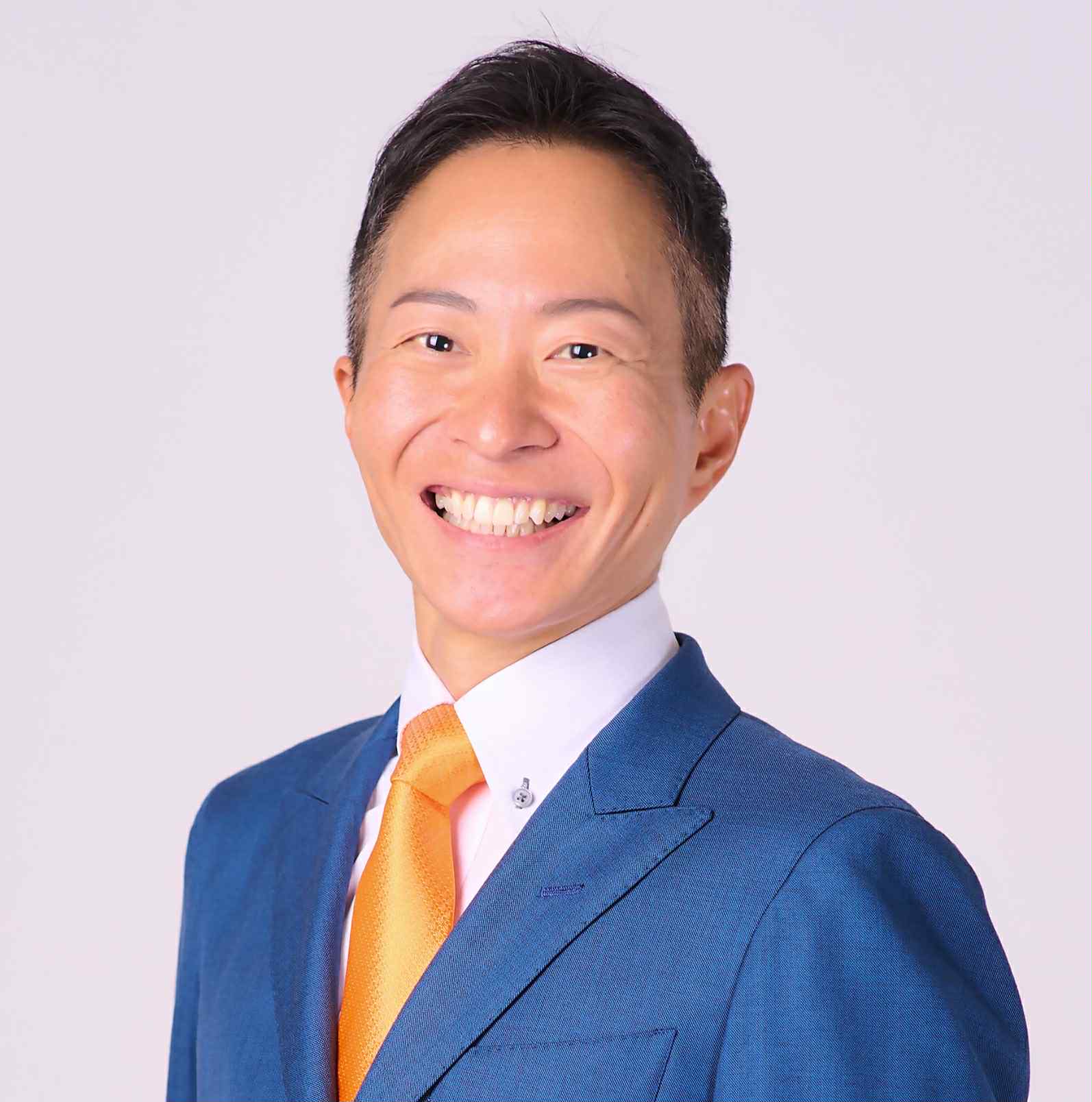
海江田 悠輔(かいだ ゆうすけ)
脳内整理コンシェルジュ。家業の不動産事業(居住用賃貸・戸建て分譲販売)を担う傍ら、トヨタ式問題解決手法とアドラー心理学を掛け合わせたコーチ×コンサルで、中小企業・個人事業主の目標設計と行動を支援。少年野球コーチとしても活動し、「強みの持ち寄り=パズルの法則」を軸に、教育の在り方を問い直す取り組みを続けている。
Yusuke Kaieda
A “Mind-Organizing Concierge” and the successor to his family real estate business (residential rentals and detached-home sales). He also supports small business owners and solo entrepreneurs by combining Toyota-style problem-solving methods with Adlerian psychology-based coaching, helping them design clear goals and actionable plans. As a youth baseball coach, he continues exploring education through the lens of his “Puzzle Principle”—the idea that society thrives when each person’s strengths connect and complement one another.

【PROFILE】
真綺(Maki)
語りの芸術家/インタビュアー/コミュニケーション・スペシャリスト
8年間“しつもん力”を教え、日本語と英語の間で人の想いを橋渡ししてきた。
これまで国内外で、経営者、アーティスト、国際的イベントの登壇者など延べ数千人と対話。
世界的な授賞式や王室叙任式のスピーチ・通訳も担当し、言葉と存在感の両面から人の魅力を引き出す。
Maki
Word Painter / Interviewer / Communication Specialist
For eight years, Maki has taught the art of asking powerful questions, bridging stories between Japanese and English.
She has engaged in thousands of conversations with business leaders, artists, and speakers at international events, both in Japan and abroad.
Her work includes speeches and interpretation for global award ceremonies and royal investitures, capturing and conveying the essence of a person through both words and presence.
経営者の存在感を、言葉とストーリーに刻む。
真綺による日英インタビューにご興味のある企業様はこちらからお問い合わせください。

コメント