
🇯🇵日本語
佐々木さんの話は、まっすぐではない。
転職、倒産、仲間との起業、資金調達、そして大失敗。遠回りの連続だった。
それでも、ひとつだけ残った問いがある。
「人はどうすれば、自分の人生を自分で動かせるのか」
IDPAの“independence”は、独立ではなく主体性。
考えることではなく、動ける状態になることまでを含む。
そのための技術を、彼は12年かけて組み直してきた。
💎 12年目の会社が教えているのは「答え」ではなく「技術」
IDPAが提供しているのは、癒しでも正解でもない。
佐々木さんが繰り返したのは、「人生を自分でデザインするための技術」という言葉だった。
心理学、脳科学、哲学、そして認知科学。
人間を理解するための知を一度ばらし、もう一度、一筆書きで組み直す。
そうして生まれたのが「メタストラクチャーメソッド」である。受講者は経営者やアスリートだけでなく、一般の会社員にも広がっているという。
このメソッドの説明で、佐々木さんが使った比喩が印象的だった。
「うちは料理を出すところじゃなくて、料理学校だよ」
“おいしい料理”を提供するのではなく、料理が作れるようになる技術を手渡す。
依存ではなく主体性へ。ここにIDPAの思想がある。
💎 震災の映像が突きつけた、「自分の人生を生きていない」感覚
佐々木さんは大学を7年かけて卒業し、就職氷河期世代のただ中で中小企業に入社した。仕事は楽しく、充実もしていたという。だが2011年、東日本大震災が起きる。
当時、佐々木さんは仕事でベトナムにいた。メディア越しに見た日本の光景が、胸の奥をえぐった。阪神の災害も体験していたからこそ、その衝撃は「社会の出来事」では終わらなかった。
「このままでは、自分の人生を生きていない」。
そう感じて転職を決め、製造業のセールスエンジニアから、Webコンテンツ制作の世界へ180度近い転換をする。だが、その転職先は1年半ほどで倒産。37歳で、先の見えない場所に立たされる。
💎 仲間内の起業、資金調達の成功、そして“華々しい大失敗”
勤めた会社が倒産した後、「仲間内での起業は良くない」という助言を無視し、佐々木さんは仲間と起業する。金融機関との交渉による大きな資金調達をし、“デビュー”は華々しかったが、半年で崩壊する。
大きな資金を背負い、返済だけが残る。家庭もある。追い詰められた状況の中でも、佐々木さんは「人の相談に乗る」場面がやたら多かったと言う。ここが後に、決定的な伏線になる。
💎 「教える側に回った方がいい」──偶然ではなく、必然の勧告
佐々木さんは当時、グラフィックデザイナーとしても活動していた。
そのクライアントのうちの一社が、心理学研修を提供する会社だった。困窮していた佐々木さんを助け、仕事を回してくれる中で、佐々木さんは“取材”と称して授業を聞きまくる。
そして、わずか1か月半ほどで、先方からこう言われる。
「佐々木さんは教える側に回った方がいいですよ」
共同で心理学スクールを立ち上げ、ここから方向転換が始まる。だが、心理学を伝えれば伝えるほど、佐々木さんの中には違和感が積もっていった。心理学は悪くない。ただ、それは“対処療法”に留まるのではないか──。
そこから大学の先生に相談し、脳科学を独学で学び始める。
さらに日本認知科学会の門を叩き、研究者としても所属するようになった。
「天職だと思っています」という言葉が、軽く聞こえない。
職業の転職ではなく、世界の見方そのものの転職。そんな重みがあった。
💎 “思考停止”を超えるために、抽象を解像度に落とす
佐々木さんが問題視していたのは、「崇高とされるもの」に触れた瞬間に人が思考停止すること。正しさや理想が高ければ高いほど、止まってしまう。そこを越えた景色を見せられないと、人は結局“不幸になりにいく”方向へ行ってしまう──そんな実感があるという。
だからこそ、思想家や哲学者が抽象度高く語ってきたものを、脳科学・精神神経科学の観点で解像度を上げ、実装できる体系にする。心理学・脳科学・哲学を束ね、流行の言説に流されず整理し直していく。その先に生まれたのが「メタストラクチャーメソッド®︎」だった。
メソッドのゴールを尋ねると、返ってきたのはシンプルだった。
「自分の人生を自分でデザインする技術をお伝えしています」
💎 変われない人の特徴は「そこそこ」──努力の方向が変わる瞬間
どんな人が伸びるのか。
佐々木さんは、変化できない人の特徴を、かなり鋭い言葉で切り取った。
学歴もキャリアも恋愛も「そこそこ」うまくやってきた人。勝ち切った経験も、徹底的に打ちのめされた経験もない。その“そこそこ”が、ブレイクスルーを遠ざけるという。逆に、圧倒的に成果を出してきた人や、何をやってもダメだったと自覚している人の方が、跳ねやすい。
そして「お金を払えば人生変わるんでしょ」という姿勢の人は来てほしくない、とも。
IDPAが広告で集客したことが一度もなく、すべて紹介で増えてきた理由が腑に落ちる。受講生の“質”へのこだわりは、単なる理想論ではなく、メソッドの安全性とも直結している。
💎 協会ビジネスにならないための設計。認定制度をつくらない理由
「協会ビジネス」への違和感は、かなりはっきりしていた。だからこそIDPAは、認定講師制度をあえて取らなかった。資格が目的化し、学びが歪むのを避けたかったからだ。
一方で、メソッドを職場に展開したい、教える仕事がしたいという受講生が増えた。そこで昨年、一般社団法人としてラボを設立。ラボメンバーであればメソッドの商用利用を可能にし、必要に応じて株式会社IDPA側から講師依頼が流れる可能性がある形をつくった。
形式上は「実質認定では?」と言われれば、「そうですよ」と言う。
ただし、認定証を売るような浅い話にはしたくない。骨太に運用していく、という。
💎 11カリキュラムと、勝手に生まれるコミュニティ
現在のカリキュラムは全11。週1・1on1で進み、90分×11回。足掛け3か月、休みを挟むと4〜5か月。だが「一度受けただけで身につくものではない」として、その後の学び直しの場も用意されている。
興味深いのは、佐々木さんが「コミュニティビジネスをしたいわけじゃない」と言い切りながら、結果的にコミュニティのような場が“勝手にできる”こと。グループLINEは作らず、公式LINEで運用し、最低限のルール(胡散臭い勧誘はするな、など)だけを置く。すると受講生同士の仕事の繋がりや報告が自然に生まれていくという。
設計していないのに発生する。
でも、発生してしまうだけの“空気”を最初から作っている──この感覚が、IDPAらしさなのかもしれない。
💎 海外展開の気配と、「球体としての自己」という仮説
昨年から海外展開を考えていた佐々木さんは、アメリカでコーチング会社を経営する人物を紹介され、自身の理論・仮説を英語で資料にして伝えたという。英語は得意ではないが、必死に作った。すると相手は「クールだ」と強く反応し、日本で再会する流れも出てきている。
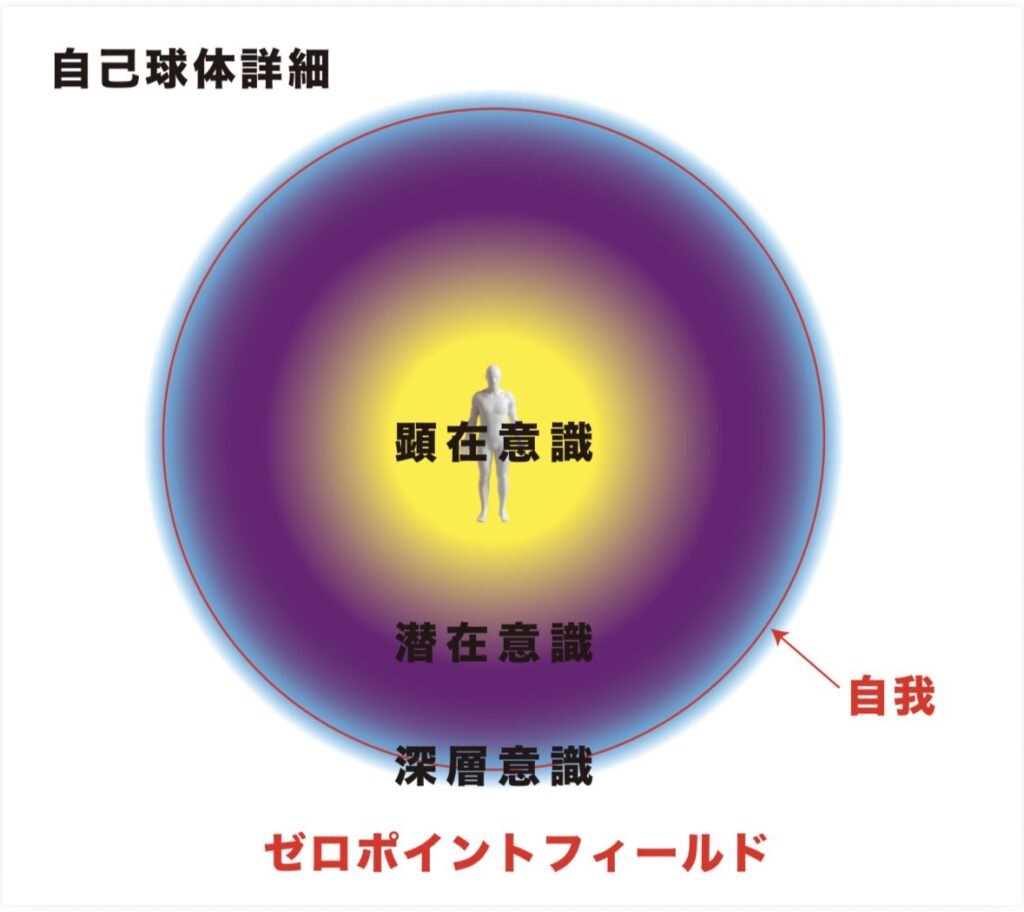
ここで語られたのが、「自己球体仮説(セルフスフィアセオリー)」。
人は肉体だけを自分だと思いがちだが、実は自分が認識している前後左右360度の“景色”まで含めて自分──という捉え方だ。
佐々木さんは「揚げ足を取られたくないから仮説と言っている」と笑いながら、メンバーには「理論だ」と伝えていますとも話した。体系を世界に持っていく足場が、少しずつ固まり始めている。
💎 揺るがない価値基準は「痛みがわかるか」。そして動けるか
最後に「絶対に欠かせない価値基準」を尋ねると、返答は迷いがなかった。
痛みがわかるかどうか。
人の痛みを想像できるかどうか。
その上で動けるかどうか。
その背景には、佐々木さん自身の“絶望”の経験がある。いじめがひどかった15歳の頃、一度命を絶とうとしたことがあると語った。人間が大嫌いだった。でも、本当はめちゃくちゃ好きだ、とも。
だからこそ、痛みがわかることは、知識ではなく体験の領域になる。
そして「絶望したことがない人=真剣に生きたことがない」と断じるのではなく、“真剣に生きると、人は必ず一回は絶望する”という現実を、価値基準にまで落としている。
💎 15歳に見せたいのは、説教ではなく「おっさんの1日」
もし今、15歳の子どもたちに一日何かを渡せるなら?
その質問に佐々木さんが返したのは、「仕事してる姿」だった。
キラキラした成功談ではない。雑務も含めた仕事の現場を横で見せて、夜ご飯を食べに行く。
「仕事って、こんなに楽しいねん」と“一次情報”として体験してもらう。それが一番だという。
情報の質ではなく、受け取った本人の感覚が一次情報になる。
このやり取り自体が、佐々木さんの思想の縮図に見えた。
💎 映画のタイトルは「歓喜と悲哀」
インタビューの最後に、恒例の質問を投げた。
「人生を一本の映画にするなら、タイトルは?」
返ってきたのは「歓喜と悲哀」。
歓喜と悲哀があるのが人生であり、生きるとはそういうことだというメッセージでもある。
崩壊も失敗も、学びも研究も、全部がそこに収束していた。
“人生は、軽く整えるものじゃない”。その実感を、技術として手渡そうとしている人だった。
🇺🇸英語
What Remains After Collapse and Reinvention
-Why Daisuke Sasaki of IDPA Teaches “Agency”
Daisuke Sasaki’s story is not linear.
Career shifts. Bankruptcy. A startup with friends that collapsed within months. A major round of funding followed by public failure. His path has been anything but straight.
And yet, one question survived all of it:
How can a person truly move their own life forward?
At IDPA, “independence” does not mean financial freedom or entrepreneurship.
It means agency — the ability to act from one’s own center.
Not just thinking differently.
But becoming someone who can move.
For twelve years, Sasaki has been rebuilding a system to make that possible.
💎 Not Answers — A Technology
What IDPA offers is neither therapy nor ready-made solutions.
Sasaki repeatedly describes his work as a technology — a practical system for designing one’s own life.
Drawing from psychology, neuroscience, philosophy, and cognitive science, he deconstructs these disciplines and reconnects them into a unified framework he calls the Meta-Structure Method®︎.
Executives, athletes, and working professionals study under him. But the goal is never dependence.
Sasaki once put it simply:
“We don’t serve the meal. We run a cooking school.”
The purpose is not to deliver insight —
but to develop the ability to generate it.
From dependence to agency.
That is the philosophy at the heart of IDPA.
💎 The Earthquake That Changed His Trajectory
Sasaki took seven years to graduate from university and entered the workforce during Japan’s employment ice age. He joined a small company and enjoyed his work.
Then in 2011, the Great East Japan Earthquake struck.
He was in Vietnam at the time, watching the devastation unfold on television. Having experienced the Kobe earthquake in his youth, the event hit him differently.
“This isn’t just news,” he realized.
“I’m not truly living my own life.”
He left manufacturing sales engineering and pivoted sharply into web content production.
Within eighteen months, the company collapsed.
At 37, he stood at another dead end.
💎 Funding, Public Success — and Public Failure
Ignoring advice that “starting a business with friends rarely works,” Sasaki co-founded a company.
He secured substantial financing through negotiations with financial institutions and launched a matchmaking-related service supported by local government endorsement.
The debut looked impressive.
Within six months, it collapsed.
Debt remained. A family to support. Mounting pressure.
And yet, throughout this period, people constantly came to him for advice.
That thread would later prove decisive.
💎 “You Should Be Teaching”
While working as a graphic designer to survive, Sasaki collaborated with a company offering psychological training programs.
During what he jokingly calls “interviews,” he sat in on their classes obsessively.
Within a month and a half, the company’s leadership told him:
“You should be on the teaching side.”
He co-founded a psychology school. But the more he taught psychology, the more discomfort he felt.
Psychology wasn’t wrong.
But it was often reactive — a form of coping.
He wanted something foundational.
He began independently studying neuroscience.
He later joined the Japanese Cognitive Science Society as a full member researcher.
When he says, “This is my calling,” it does not sound romantic.
It sounds earned.
💎 Overcoming Cognitive Freeze
Sasaki observed something troubling:
When people encounter ideas framed as “noble” or “elevated,” they often stop thinking.
The higher the abstraction, the quicker the freeze.
Without the ability to cross that threshold, people drift toward lives they never consciously chose.
His solution: raise the resolution.
Philosophical abstractions are translated through neuroscience and cognitive science into actionable structure.
That integrated structure became the Meta-Structure Method®︎.
When asked about its goal, Sasaki answers simply:
“To teach the technology of designing your own life.”
💎 The Danger of Being “Moderately Successful”
Who struggles the most in his program?
Surprisingly, it is not those who failed badly.
Nor those who achieved extraordinary success.
It is those who have done “reasonably well.”
Good schools. Solid careers. Safe romantic patterns. No major collapse.
That moderate success can become the biggest barrier to breakthrough.
And those who approach him thinking,
“I’ll pay and my life will change,”
rarely last.
IDPA has never relied on advertising.
Growth has come entirely through referrals.
The quality of participants matters —
because the safety of the method depends on it.
💎 Why There Is No Certification Program
Sasaki openly expresses discomfort with association-style credential businesses.
He refuses to create formal certification programs designed to sell titles.
Instead, he established a research lab under a general incorporated association. Members can apply the method commercially, and in some cases may receive teaching opportunities through IDPA.
Is that a de facto certification?
“If you want to call it that, sure,” he says.
But no certificates are sold.
The work remains substantial.
💎 Eleven Modules — and a Community That Forms Itself
The core curriculum consists of eleven modules delivered one-on-one, 90 minutes each, over several months.
But Sasaki insists: one pass is never enough.
Participants are invited back repeatedly.
Interestingly, though he never intended to build a community business, a community naturally formed.
No group chats.
No forced networking.
Just structure, integrity, and space.
And connection emerges on its own.
💎 The Self as a Sphere
Looking internationally, Sasaki has begun discussions with American coaching leaders.
One of the concepts drawing attention is his Self-Sphere Theory.
Most people identify themselves solely with their physical body.
Sasaki proposes that the self includes the full 360-degree field of perception — everything one recognizes as part of one’s experiential space.
He modestly calls it a hypothesis.
Privately, he calls it theory.
International conversations are beginning to take shape.
💎 Pain as the Foundation
When asked about his non-negotiable value, Sasaki answers without hesitation:
The ability to understand pain —
and act despite it.
As a teenager, he experienced severe bullying and once attempted to end his life.
He hated people.
And yet, he says quietly, he has always loved them deeply.
Pain, for him, is not conceptual.
It is lived.
He does not believe one must fail dramatically to succeed.
But he does believe that anyone who lives seriously will encounter despair at least once.
What matters is whether one moves afterward.
💎 What He Would Show a 15-Year-Old
If given one day with a group of 15-year-olds, Sasaki would not give a lecture.
He would simply let them watch him work.
The ordinary parts. The tedious parts. The real parts.
Then take them to dinner.
Because what matters most, he says, is first-hand experience —
how they perceive it.
Not filtered information.
But lived information.
💎 The Film Title of His Life
At the end of the interview, he is asked:
“If your life were a film, what would the title be?”
He pauses.
“Joy and Sorrow.”
Because life contains both.
And living means holding both.
Collapse, reinvention, research, teaching —
all of it converges there.
Life is not something to polish lightly.
It is something to engage fully.
And perhaps, to design deliberately.
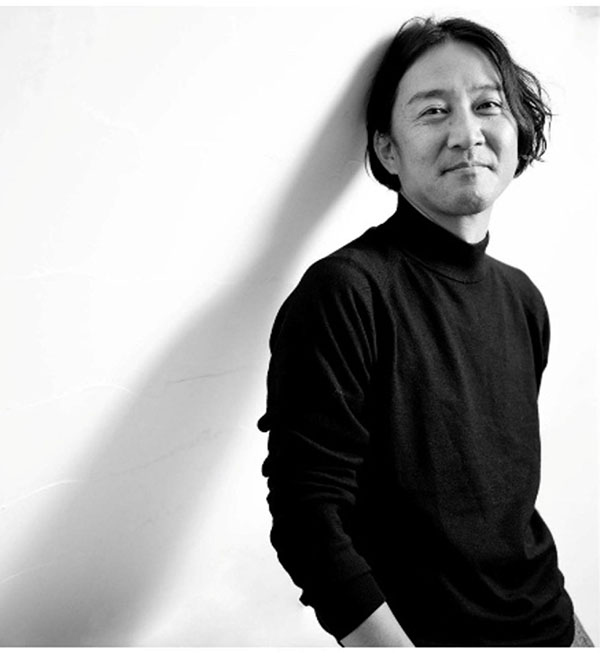
【PROFILE】
佐々木大介(ささき だいすけ)
株式会社IDPA 代表取締役
認知科学を軸に、人間科学を再構築した独自体系「メタストラクチャーメソッド®︎」を開発。人生を主体的に設計するための“技術”を手渡す。“大人の学習塾”を運営(オフライン/オンライン)。日本認知科学会 正会員としても探究を続ける。
Daisuke Sasaki
CEO, IDPA Co., Ltd.
Founder of the Meta-Structure Method®︎, an integrated framework reconstructing human sciences through cognitive science. He teaches the technology of designing one’s life with agency and runs an “adult learning academy” (offline and online). A full member of the Japanese Cognitive Science Society, he continues his academic inquiry alongside practical instruction.

【PROFILE】
真綺(Maki)
語りの芸術家/インタビュアー/コミュニケーション・スペシャリスト
8年間“しつもん力”を教え、日本語と英語の間で人の想いを橋渡ししてきた。
これまで国内外で、経営者、アーティスト、国際的イベントの登壇者など延べ数千人と対話。
世界的な授賞式や王室叙任式のスピーチ・通訳も担当し、言葉と存在感の両面から人の魅力を引き出す。
Maki
Word Painter / Interviewer / Communication Specialist
For eight years, Maki has taught the art of asking powerful questions, bridging stories between Japanese and English.
She has engaged in thousands of conversations with business leaders, artists, and speakers at international events, both in Japan and abroad.
Her work includes speeches and interpretation for global award ceremonies and royal investitures, capturing and conveying the essence of a person through both words and presence.
経営者の存在感を、言葉とストーリーに刻む。
真綺による日英インタビューにご興味のある企業様はこちらからお問い合わせください。

コメント