
🇯🇵日本語
土台をつくってから世界へ漕ぎ出した、浮世絵師・渡邊直仁の挑戦
💎 「まずは生活の基盤」――建築現場から始まった“世界づくり”
渡邊直仁さんが浮世絵の世界に入ったのは44歳。
それまでの人生は、浮世絵とはまったく関係のない場所にあった。
アニメーション学院で2年間絵を学んだあと、彼が選んだのは建築・造船の現場だった。
エアコンの取り付け、造船所での作業。
「やりたいことより先に、まずは生活を安定させないと説得力がないと思ったんです」と彼は振り返る。
25歳で結婚し、子どもが生まれ、家族という“自分の世界”を築くことが最優先になった。
幼い頃から油絵を描く母の背中を見続けてきたが、絵で生きる未来は一度脇に置いたまま、大人としての責任を引き受けた時間が続く。
💎 油絵で育った目と、「ベタ塗り」の感覚が導いた浮世絵
転機となったのは10年前。
知人から「浮世絵木版画の会社を立ち上げるから出資者として入ってほしい」と声がかかる。
最初は絵を描くつもりなどまったくなかった。
ところが、立ち上げ後すぐに「描き手が足りない」という事態に。
「そういえば、イラスト描いてましたよね?」と声をかけられ、試しにキャラクターを描いてみると、それがメーカー側に次々採用されていった。
「水彩のような“にじみ”より、油絵の“ベタ塗り”のほうが好きだったんです。浮世絵はその感覚に近かったんですよね」
幼少期の感性と、新たに出会った伝統技法が思わぬところでつながり、44歳にして“浮世絵師”への道が自然に開けていった。
💎 三人四脚でつくる伝統工芸と、データで広げる新しい浮世絵
浮世絵は一人で作るものではない。
絵師が原画を描き、彫師が板を彫り、摺師(すり師)が色を重ねる。
渡邊さんもその一員として、木版の世界で多くの職人と協働してきた。
「版木は摺ていると疲れてくるんです。何百枚も摺ると、板が水分を含んでしなる。だから休ませて、乾燥させて、また摺るんです」
その工程は、半年から一年かかることも珍しくない。
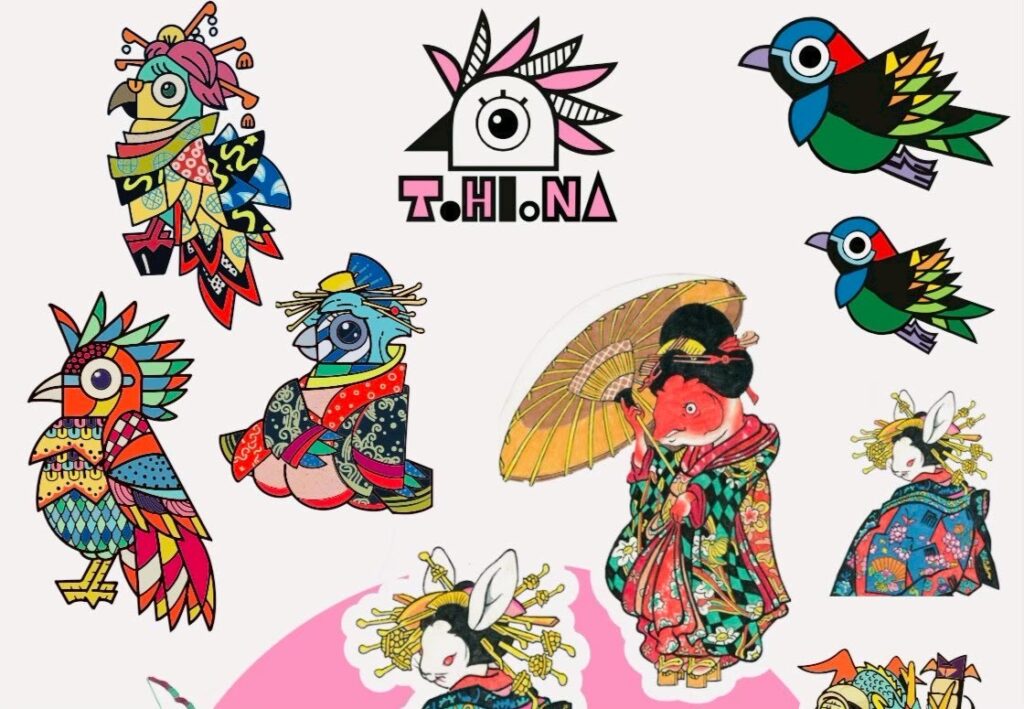
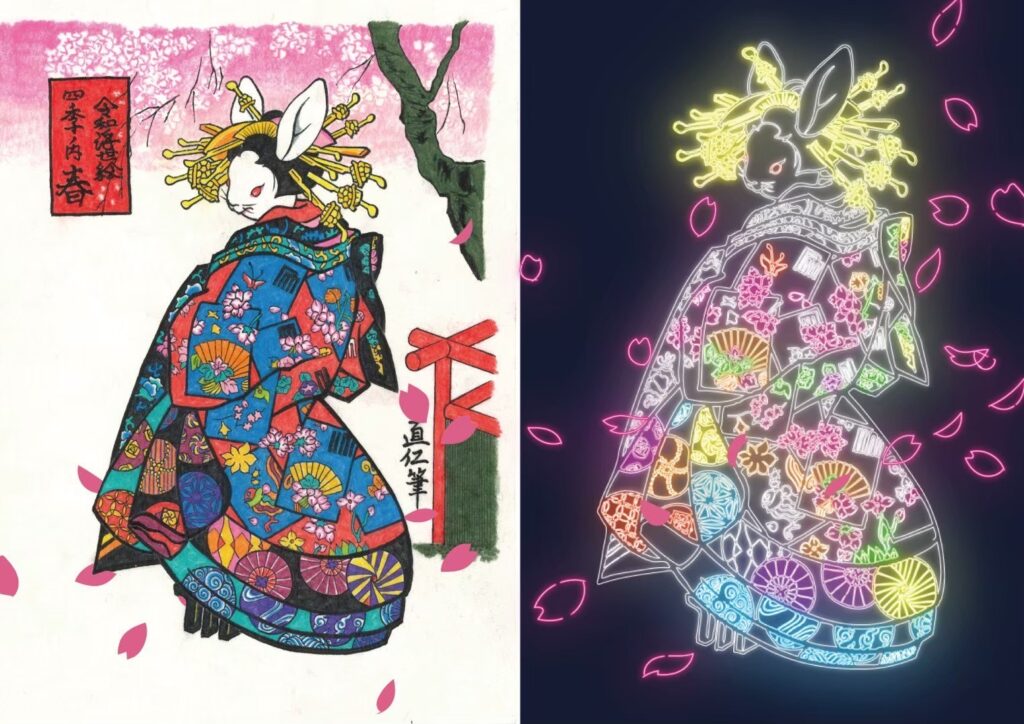
一方で、現在の会社TOHIONAでは、和紙に色鉛筆で描いた原画をデータ化し、プロデューサーやライターとともに海外で扱いやすい形へと展開している。
💎 母の「飛んで行け」で、人生がようやく動き出した
40代半ばで大きな転身を迎えた背景には、家族の別れと、そこから続く相続の混乱があった。
渡邊さんが41歳のときに、祖母より先に父が他界した。順番が逆になったことで相続等の権利関係は複雑に絡み合った。
幼い頃から可愛がってくれた叔父や叔母と争うという、信じがたい現実のなかで、渡邊さんは「人ってこんなふうに変わってしまうのか」と深く疲れ果てていく。
そんな日々がようやく落ち着きかけた頃、母が静かに言った。
「そろそろ、自分の好きなことやっていかないとね」
ここで、もう一つ大切なエピソードがある。
彼の名前は「直仁(なおひと)」だが、もともと父は“飛人”を考えていた。 しかし「長男だから飛んで行かれては困る」と、母は名前を変えた。
その母が、今度は真逆のことを言ったのだ。
「飛んで行きなさい」
ずっと“飛ばないように”と名を変えるまでの母の想いが、
今度は“飛んでいい”と背中を押す。
その反転が、渡邊さんにとって決定的だった。
「相続で受け取ったお金もあったし、やっと好きなことをやれるかなと思いました」
こうして彼は、財産を“守り”に使うのではなく、“挑戦の資金”に充てることを選ぶ。
それは、母が長年かけて温めてきた想いを、ようやく受け取った瞬間でもあった。
止まっていた人生が、ようやく本来の方向へ飛び立った――そんな節目だった。
💎 「最初の50人」をつくる。ビジネスアーティストという視点
ものづくりの世界には、“いいものを作れば誰かが見つけてくれる”という空気が残る。
だが渡邊さんは、そこに強い違和感を抱いていた。
「職人は出口戦略を学んだほうがいいと思うんです。技術だけじゃ広がらない」
彼はプロデューサーやライターをチームに迎え、“ビジネスアーティスト”としての視点を作品に持ち込んだ。
特に大切にしているのが、“広く”ではなく“深く”。
「1万人に受ける必要はない。まず3〜4人の熱いファンをつくる。最初の50人をどう生み出すか、そこだけ考える」
こうした戦略の積み重ねで、かつて5万5千円だった原画は、現在50万円の価値を持つようになっている。
💎 ドバイ、モナコ、ニューヨーク、台湾へ
“認知の旅”が仕事を連れてくる
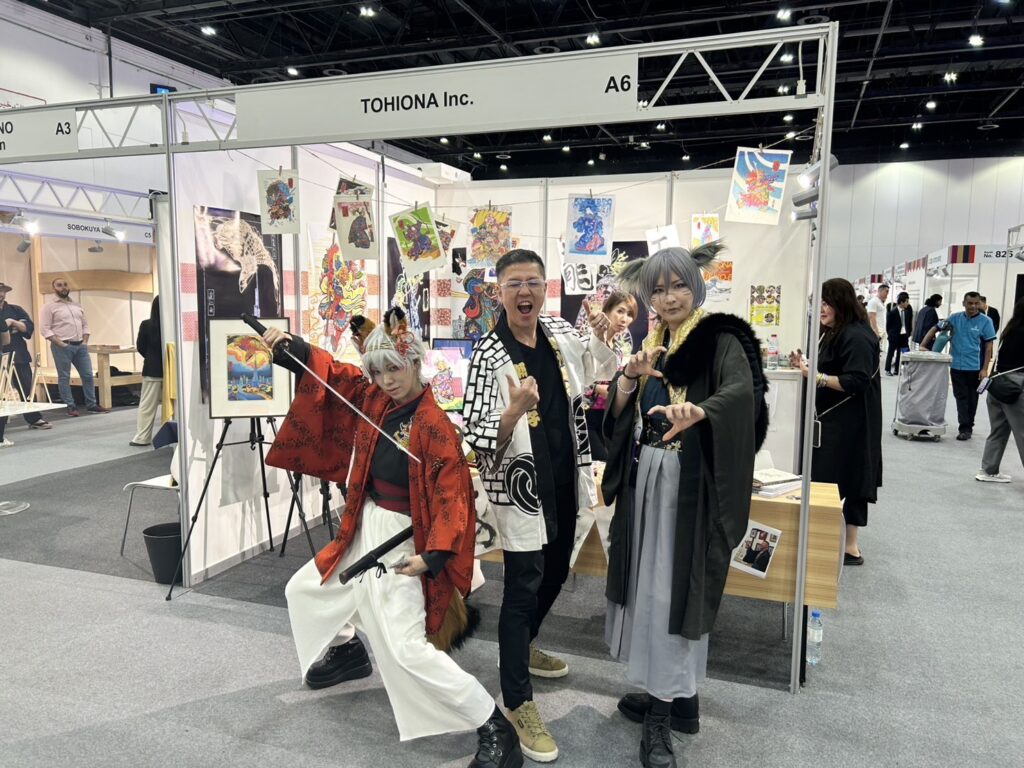
海外展開の最初の舞台はドバイ。
出展料は100〜200万円という規模だったが、「まず現地の空気を知らないと始まらない」と迷わず飛び込んだ。
「同じ場所に2回3回行くと、お客さんの層が上がるんですよ。最初は認知です」
その後、モナコでは伝統工芸イベントに出展し、売上もそこそこ達成できた。
ヨーロッパのファッションメーカーとコラボしたデザインは、ニューヨークのファッションショーにも並んだ。
さらに台湾では、新たな構想が動き出している。
💎 台湾でつくる「浮世絵カフェ」――文化と日常が混ざる場所
台湾はカフェ文化が盛んで、人が自然に集まる“コミュニティの場”が成立している。
そこで渡邊さんが計画しているのが、「浮世絵カフェ」。
「ギャラリーとカフェを併設して、日本の伝統工芸も置ける。アンテナショップみたいな場所を作りたいですね」
コーヒー、本、会話、アート。
それらが日常の中に自然に共存する空間をつくることで、浮世絵を“生活の中の文化”へと再び位置づけていく。
💎 若い視点を取り入れる。“伝承”は、世代をまたいで続く
浮世絵の未来を考えるとき、彼は“同世代の職人”を集めるよりも、20〜30代の若い視点を選ぶ。
「今のデザインとちょっと違うよねって、素直に言ってくれるのがいいんです」
伝統を真似て学び、新しい感覚で再構築する。
それこそが本来の“伝承”だという考えだ。
チームとのコミュニケーションでは、受け身ではなく“提案”を求める。
「まず全部受け取りますよ。そこから新しいアイデアが生まれるんで」
その往復の中で、若いメンバーが成長し、彼自身も感覚を更新し続けている。
💎 経営者に必要なのは、「諦めないこと」と「先を見る目」
10年を振り返ると、苦労の核心にあったのは“認知”と“投資”。
どこにどれだけ投じればいいのか正解がわからない中で、やり続けるしかなかった。
「成功者って、途中でやめない人だと思うんです」
そしてもうひとつ。
「時代を見る目」が必要だという。
実家が営んでいた下駄の文化が消えたように、形ある価値はいつかなくなる。
だからこそ、新しい流れを読み、若い世代との接点を絶やさないようにしている。
💎 小学生に一日あげられるなら――ただ、一緒に遊ぶ
「子どもたちと遊びたいですね」
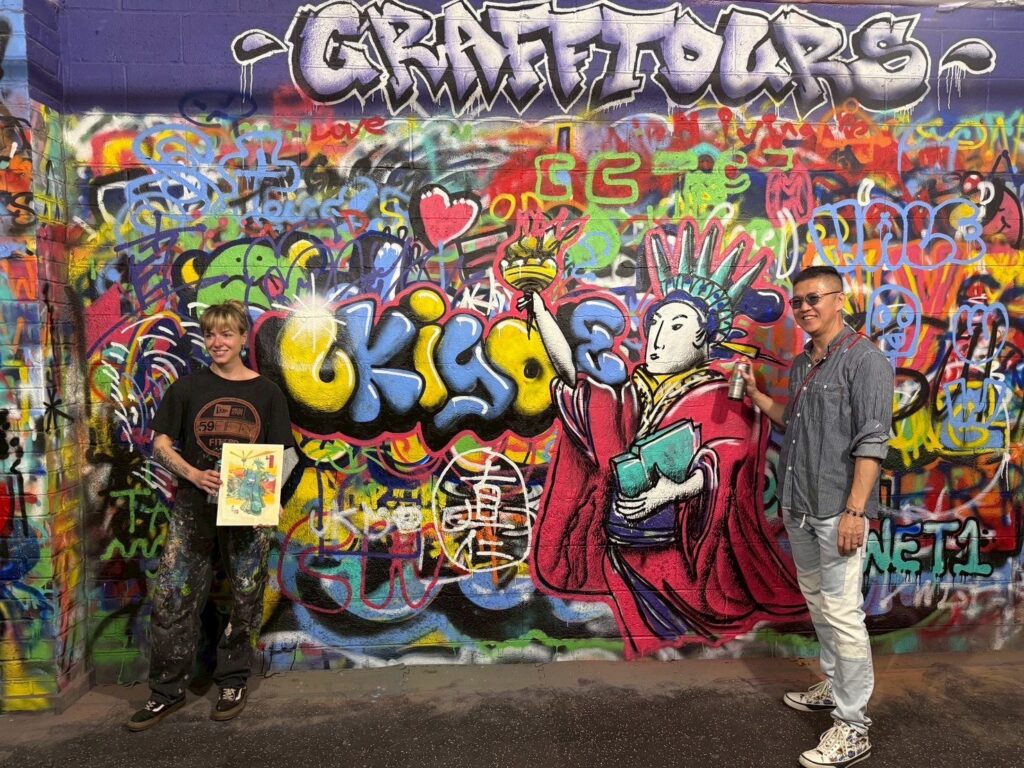
彼は母校の小学生たちとダンスチームをつくり、毎年100人ほどに振り付けを教えて地域のお祭りで踊っている。
そこに浮世絵を押しつけることはしない。
「こんな面白い大人がいるよって伝わればそれでいいんですよ」
20歳と23歳の娘たちにも、好きな道を進ませている。
父親自身が“好きなことを40代で始めた人”だからこそ、その選択をそっと尊重できるのかもしれない。
💎 映画のタイトルは「夢は忘れない」
人生を映画にするとしたら?
「『夢は忘れない』ですね」と語った。
若い頃の夢を一度脇に置き、家族をつくり、40代で再び取り戻したこと。
ドバイ、モナコ、ニューヨーク、台湾を巡りながら、認知と価値を積み重ねてきた10年。
そして、次の10年に描いているのは「地中海でワインを飲む」姿。
そのそばには、彼から文化を受け取った次の世代が、楽しそうに未来を広げている。
夢は、タイミングを選ばずに復活する。
忘れなければ、いつからでも動き出す。
渡邊直仁さんの歩みは、そのことを静かに肯定してくれる。
🇺🇸英語
Dreams Can Take Flight After 40
Building the foundation first, then setting sail into the world
— The journey of ukiyo-e artist Naohito Watanabe
💎 “First, build a foundation” — How a construction site became the starting point of his world
Naohito Watanabe entered the world of ukiyo-e at the age of 44.
Until then, his life had been far away from traditional Japanese art.
After studying illustration for two years at an animation academy, he chose the world of construction and shipbuilding — installing air conditioners, working in shipyards.
He recalls:
“First, I needed a stable life. Without that, I felt I had no real credibility.”
He married at 25, had children, and prioritized building a world called “family.”
Though he grew up watching his mother paint oil artworks, the idea of making art his livelihood was something he temporarily set aside while fulfilling his responsibilities as an adult.
💎 Oil painting roots and a love for “flat color” that led him to ukiyo-e
The turning point came ten years ago, when a friend invited him to join a new ukiyo-e woodblock printing company as an investor.
Drawing was never part of the plan.
But soon after the company launched, they found themselves without enough illustrators.
“You used to draw illustrations, didn’t you?” they asked.
He tried drawing a character — and it kept getting selected by manufacturers.
He laughs:
“I’ve always preferred the solid, flat feel of oil paint over the watery look of watercolor. Ukiyo-e felt close to that.”
Childhood sensibilities and traditional techniques intersected unexpectedly, naturally opening a path for him to become an ukiyo-e artist at 44.
💎 Tradition built by three craftsmen — and a new digital form expanding abroad
Ukiyo-e is never created alone.
The painter draws the original image, the carver engraves the woodblock, and the printer applies layers of color.
Watanabe has worked within this collaborative tradition for years.
“After printing hundreds of sheets, the woodblock gets tired. It absorbs moisture, bends, and needs time to rest. That’s part of the craft.”
The process often takes six months to a year.
At TOHIONA, however, he also creates original artwork on washi paper using colored pencils, digitizes these works, and adapts them for global use with a creative team.
Balancing tradition with modern design allows him to tailor what “ukiyo-e” looks like depending on the region.
💎 “Go and fly” — The words from his mother that finally moved his life forward
Behind his mid-40s transformation were personal loss and inheritance-related turmoil.
At 41, his father passed away before his grandmother — reversing the natural order and creating complex legal conflicts.
He soon found himself in painful disputes with relatives he had loved since childhood.
“It was shocking to see how people can change.”
When everything finally settled, his mother quietly said:
“It’s time for you to start doing what you love.”
But there was a symbolic story behind his name — one that makes this moment even more meaningful.
His father originally wanted to name him “飛人”,
a name inspired by the Japanese verb “飛ぶ (tobu)” — meaning to fly.
A name meant for someone who would soar.
But his mother stopped it:
“He’s the eldest son. I don’t want him to fly away.”
So she changed his name.
Years later, that same mother looked at him and said:
“Go and fly.”
A wish once held back
— now released with her own hands.
“With the inheritance, I finally felt I could do what I truly wanted,” he says.
Instead of using the assets for safety, he used them as fuel for challenge.
It was the moment he finally accepted the dream his mother had quietly held for him.
His life, once paused, began to move in its true direction.
💎 Creating the first “50 true fans” — The mindset of a business artist
In many craft fields, there is still a belief that “good work will eventually be discovered.”
Watanabe questioned this deeply.
“Craftsmen need to learn the exit strategy. Skill alone doesn’t spread the work.”
He built a team of producers and writers, approaching his art with the mindset of a business artist.
He focuses not on broad reach, but deep reach.
“You don’t need 10,000 fans. Start with 3 or 4 core supporters.
The question is: how do you create the first 50?”
Through this strategy, his original artworks — once priced at ¥55,000 — now hold a value of ¥500,000.
💎 Dubai, Monaco, New York, Taiwan — A journey of recognition that draws work toward him
His overseas story began in Dubai.
Despite steep booth fees of ¥1–2 million, he jumped in without hesitation.
“You have to know the atmosphere before you think about selling.
If you return to the same place two or three times, the customer base rises naturally. Recognition comes first.”
In Monaco, he achieved the sales goals he had set.
His collaboration with European fashion brands led to pieces appearing in a New York fashion show.
And in Taiwan, a new vision began to take shape.
💎 A “Ukiyo-e Café” in Taiwan — A space where art and daily life blend
Taiwan’s café culture is vibrant — places where locals naturally gather.
Watanabe imagines a space where art and daily life meet effortlessly.
“A café with a small gallery, where traditional crafts and modern ukiyo-e can sit naturally together.
Like an antenna shop for culture.”
Coffee, books, conversation, art — all coexisting casually as part of everyday life.
A space where ukiyo-e becomes something people “live with,” not just admire.
💎 Passing down the craft — Keeping the line alive through younger perspectives
For the future of ukiyo-e, he deliberately chooses to work with creators in their 20s and 30s.
“I like how honestly they say, ‘This looks a bit outdated.’ That honesty is important.”
Learning from tradition and rebuilding with modern sensibilities — that, to him, is true cultural transmission.
He encourages his team to propose ideas freely:
“I accept everything first. That’s how new ideas are born.”
Through this exchange, younger members grow — and he continues to evolve with them.
💎 What leaders need: persistence and the ability to see ahead
Looking back on ten years, the biggest challenges were recognition and investment.
“You never know the right answer. You just keep going.
Success comes to those who don’t quit halfway.”
He also emphasizes vision:
“The world changes fast. If you don’t sense the next movement, traditions disappear — just like the old geta culture.”
To stay updated, he intentionally keeps close connections with younger entrepreneurs.
💎 If he could give one day to an elementary school class — he’d simply play
“I’d just play with them.”
He leads a dance team of students from his former elementary school, teaching choreography to about 100 children each year for local festivals.
He never forces ukiyo-e into the experience.
“If they just feel, ‘There are fun adults out there,’ that’s enough.”
The same goes for his two daughters, now 20 and 23.
He lets them choose their own path — because he himself began pursuing his true dream in his 40s.
💎 If his life were a movie: “Dreams Never Fade”
When asked what the title of his life’s movie would be, he answered:
“Dreams Never Fade.”
A dream once set aside for family responsibilities.
Rediscovered in his 40s.
Deepened through Dubai, Monaco, New York, and Taiwan.
And now moving toward his next vision:
Somewhere along the Mediterranean, sipping wine,
watching the next generation carry the culture forward.
Dreams don’t expire.
They simply wait for the timing we choose.
His story reminds us of that truth.
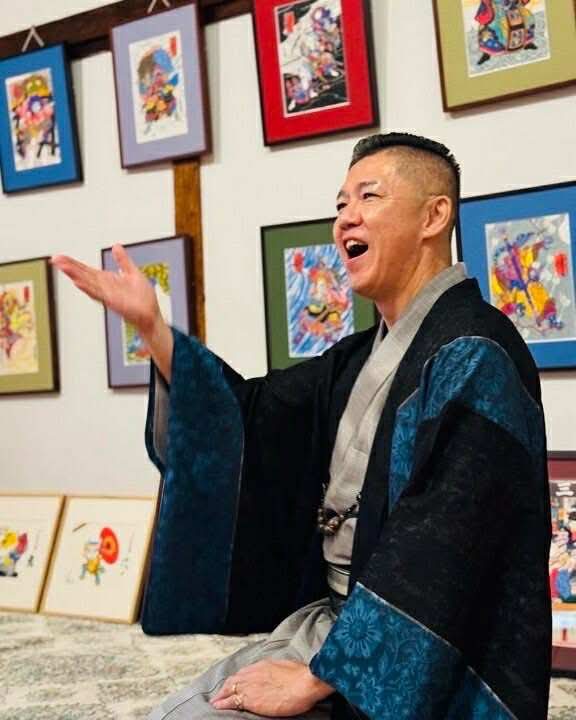
【PROFILE】
渡邊 直仁(わたなべ・なおひと)
株式会社TOHIONA/浮世絵師
オリジナル浮世絵とポップイラストを手がけ、伝統と現代デザインを掛け合わせた作品を国内外へ発信する浮世絵師。
和紙に色鉛筆で描く独自のスタイルで、ドバイ・モナコ・ニューヨークなど世界のイベントやギャラリーに出展。
台湾では「浮世絵カフェ」プロジェクトを進めながら、今の時代に合う“新しい浮世絵の形”を追求している。
Naohito Watanabe — Ukiyo-e Artist / TOHIONA
Creates original ukiyo-e and pop-style illustrations that blend traditional techniques with modern design.
Has showcased his work in Dubai, Monaco, New York, and other global cities.
Currently developing the “Ukiyo-e Café” project in Taiwan, exploring new ways to bring ukiyo-e into contemporary daily life.
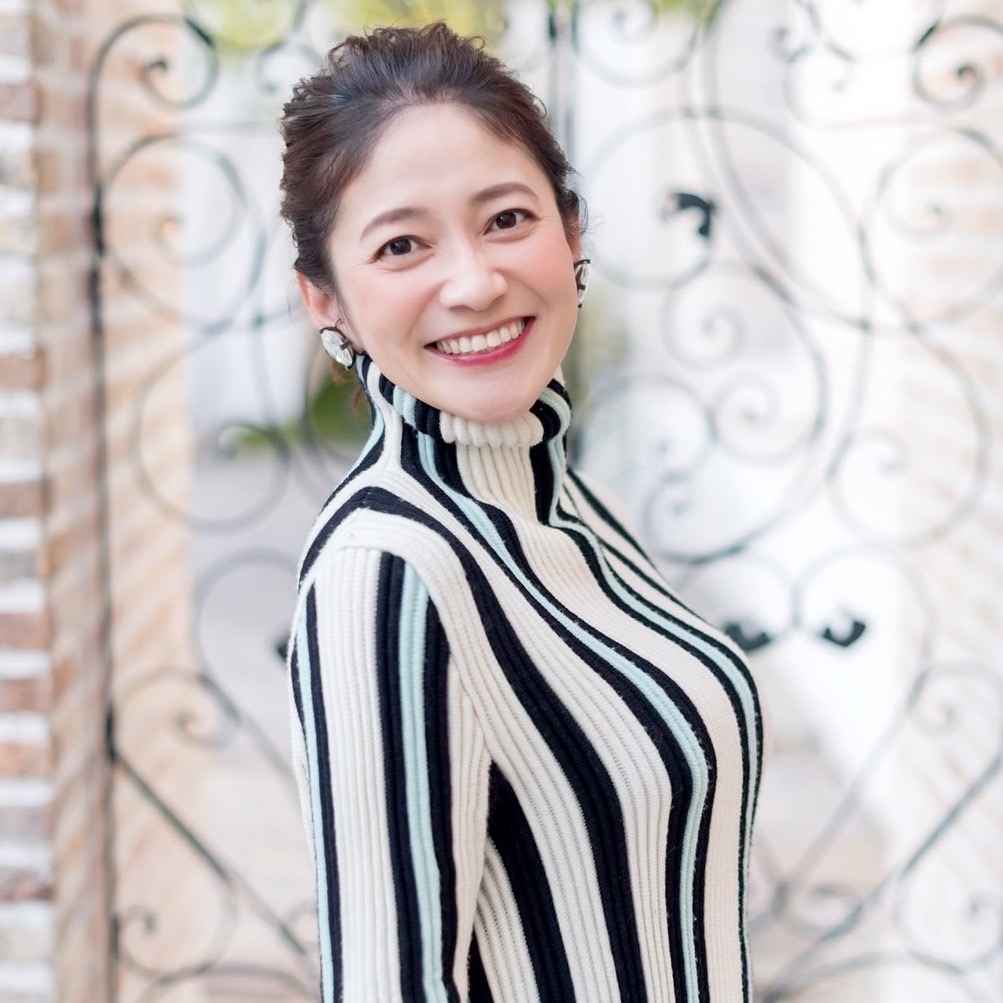
【PROFILE】
真綺(Maki)
語りの芸術家/インタビュアー/コミュニケーション・スペシャリスト
8年間“しつもん力”を教え、日本語と英語の間で人の想いを橋渡ししてきた。
これまで国内外で、経営者、アーティスト、国際的イベントの登壇者など延べ数千人と対話。
世界的な授賞式や王室叙任式のスピーチ・通訳も担当し、言葉と存在感の両面から人の魅力を引き出す。
Maki
Word Painter / Interviewer / Communication Specialist
For eight years, Maki has taught the art of asking powerful questions, bridging stories between Japanese and English.
She has engaged in thousands of conversations with business leaders, artists, and speakers at international events, both in Japan and abroad.
Her work includes speeches and interpretation for global award ceremonies and royal investitures, capturing and conveying the essence of a person through both words and presence.
経営者の存在感を、言葉とストーリーに刻む。
真綺による日英インタビューにご興味のある企業様はこちらからお問い合わせください。




コメント