
🇯🇵日本語
高校生のとき、関野大介さんは、友人へのアルバイト代(業務委託費)を計算していた。
「 一時間働けば、これだけもらえる。」 友達はそう言って、嬉しそうだった。けれど彼の頭は、勝手に別の計算を始めてしまう。その一時間で生まれている総生産に対して、人件費の比率は何パーセントなのか。
友人を否定したかったわけではない。ただ、自分にできることは何か、と模索し始めていた。
彼らが働ける仕組みを、自分が作れないか。そう考えて、事業を作ってみることにした。
それから二十数年。いま彼は、複数の会社を束ねるホールディングスの代表であり、経営者が集まるコミュニティの主宰者でもある。立場はまるで変わった。けれど、やっていることは変わっていない。
自分よりも、人。
💎 簿記との出会いから価値観が変わった
そもそも、なぜ高校生がそんな計算をしてしまうのか。理由は、彼の育ち方にある。
周囲には経営者が多かった。会社を経営するというのは、彼にとって特別なことではなく、当たり前の感覚だった。
「働くイコール会社をつくる、みたいな。その感覚ですよね」
ただし、勉強について家から言われたことは、ほとんどなかった。唯一の教育方針はソロバンだった。そこから珠算と暗算を学び簿記に行きついた。。中学を卒業するまでには、簿記を学んだ。。ただそれだけ。
同級生が学習塾に通う傍ら、簿記を必死に学びました。中学生ということもあり、内容そのものよりも、分からない単語のほうが多かった。 。調べながら、一つずつ覚えていく。どうにか簿記が分かるようになった頃には 、彼の物の見方は、同級生とはまるで違うものになっていた。本人はそれを「OSが変わった」と表現する。
ちなみに幼稚園の卒園文集には、将来の夢として「社長さんになりたい」と書いてあったという。
💎 自分を三つで表すなら
いまの自分を三つ挙げてほしい、と尋ねると、関野さんは迷わず答えた。
一つ目、暗いところがない。二つ目、やると意思決定したことは、これまで一つもやりきれなかったことがない。 三つ目が、自分よりも人。
二つ目については、本人にも自覚がある。やると決めた瞬間の機動力が、昔から異様に高い。水泳をやってみたいと思ったら、インターハイまで行ってしまった。全国で一位や二位になったこともある。
「必ずやりきるまで、諦めが悪いんですよ」
ただ、その力の使い道が、いつも自分のほうを向いていない。それが三つ目の「自分よりも人」だ。彼が魅力を感じる相手の共通点を聞いても、答えは肩書きや実績とは無縁だった。傾聴力があること。言葉のセレクトセンスがいいこと。そして、品があること。そういう人には、すぐ吸い込まれてしまうのだという。
面白いのは、それが一方通行ではないことだ。初対面の場で少し話しただけの相手が、後日あらためて時間を取りに来る。そういうことが、彼の場合は七割から八割の確率で起きるという。何かを売り込んだわけでもないのに、もう一度会いたいと思われている。
💎 夏休みの宿題を、四番目のやり方でやってきた
これまでで一番の挫折は何ですか。そう聞かれることが、たびたびあるのだという。そのたびに彼は、いつも同じ話を始める。人には何パターンかあるんだよ、と。
22歳で社会に出て、65歳で定年を迎えるとすると、働く期間は43年間。人生の生き方は、夏休みの宿題の捉え方と同じだ、というのが彼の持論だ。
最初に嫌なことを全部終わらせて、残りを楽しむタイプ。最初に思いきり遊んで、最後の数日を泣きべそをかきながらやるタイプ。毎日コツコツ進めるタイプ。だいたい人はこの三つに分かれる。
関野さんは、四つ目だという。人から指示されたものは最初に全部終わらせる。そして余った日数を、自分がなりたい自分に向けて積み上げていく。
「失敗して人は学ぶという言葉がありますけど、僕は失敗を想定して、先に努力して、その失敗を大きな壁にならないような形で生きてきた」
だから、人生に絶望するほど困窮したことがない。 大きな失敗もない。彼はいつもそう答えている。
💎 丁寧でありながら、嫌われに行く
人前に立つ機会が多い立場だが、見せ方について彼が取り組んでいることは、ほとんどないという。むしろ逆だと本人は言う。
人と人の出会いにおいて、取り繕ったことを一切していない 。普段のままの格好で、普段のままの話し方で臨む。日常生活でもこの話し方なんです、と彼は言う。だから、ギャップがない。
その姿勢を、彼は一つの言葉で説明する。
「丁寧でありながら、嫌われに行っている」
これはマーケティング理論なんです、と彼は続けた。丁寧に取り繕って、最後に何分の一という確率を追うよりも、そのままぶつかって残ってくれた人のほうが、コアな付き合いができる。だから、取り繕った言葉 は基本的に使わない。
万人に好かれる必要がない、と割り切っている人の顔だった。
💎 子どもの前でしないようなことは、すべてしない
苦手なものは何か。そう聞くと、まず出てきたのは、においだった。嗅覚が異常に鋭く、臭いものが本当にだめなのだという。
そしてもう一つ。人を傷つける人を見ることだ、と彼は言った。
普段は感情が安定している人が、そこだけは自分でも制御しきれないほど揺さぶられる。自分以外の誰かが、自分以外の誰かを攻撃している。その光景を見てしまうのが、何よりも苦手だという。
その基準を総括すると、一つの言葉になる。
「子どもの前でしないようなことは、すべてしない。そういうスタイルですかね」
ただし、そういう相手を彼は嫌いにはならない。関心がなくなるのだ。嫌いよりも残酷ですけどね 、と本人も認める。そして、離れるときは黙って離れない。その場で直接伝える。対話にならなければ、そこで終わりにする。自分が関わることで何かのきっかけになる人のためだけに、時間を使いたいからだ。
💎 十年後に立っている人のほうに、興味がある
誰と話すときも、関野さんのスタンスは変わらない。そこには、彼なりの価値観がある。
すごい実績のある経営者であろうが、創業一期目の経営者であろうが、経営者を名乗った以上は同じ立場だ、というものだ。だから、上下をつくらない。
世の中では、超がつく大手の社長が現れれば態度を変え、若い社長には別の対応をする。そういう人が八割くらいだと思う、と彼は言う。自分はそうではない、と。
「今のお偉いさんより、未来10年後、20年後の、優秀な要素が芽生えている若い経営者の方が、興味がある」
年齢も、創業年数も、規模も関係なく、同じ対応をして、同じ頭の下げ方をする。それだけです、と彼はあっさり言った。
💎 後半戦は、ノーガードの捨て身
いま、関野さんは人生を前半と後半に分けて考えている。
前半戦は、何が何でも何かを勝ち取る働き方だった。それは、彼のやりきる力を考えれば、想像がつく。
問題は、後半だ。
「もう本当にノーガードの捨て身っていうぐらいの感覚なんですけど、誰かのためにだけ、思いっきり働いて」
噂も評判もSNSも、いくらでも情報が可視化される時代になった。そんな中で、あの人に出会えてよかった。ただそれだけを追ってみようかな、という経営者になってみようと思った。それが、彼の後半戦だという。
経営者コミュニティを立ち上げたのも、まったく同じきっかけだった。
その会には、特徴がある。入会審査が、かなり厳しい。関野さん自身が関わる面談と、コンプライアンスチェックを通らなければ入れない。一見すると質を担保するための選別に見えるが、理由は別のところにある。人を紹介するという行為は、紹介する側にとってリスクを伴う。相手の背景がわからないまま繋いでしまえば、後になって紹介した側にまで波紋が及ぶことがあるからだ。
だから、入口を厳しくする。そうすれば、中にいる人たちは安心して繋がり、安心して紹介し合える。会費の使い道も、その延長線上にある。いただいた会費は、ほぼそのまま会員の広告や露出に充てている。自分の利益にはしていない。
ここでも、彼は裏方に立っている。
💎 出会った人くらいは、幸せであってほしい
この仕事を五年続けたら、どんな未来を描きたいか。そう尋ねたときの答えが、いちばん彼らしかった。
そもそも、ビジネスを通して広く世の中を変えたいという前提で、事業をしたことがほぼないのだという。世界を変えるほどの影響力は持てない。日本を変えようとも思っていない。
「自分の時間という有限な時間の許される限りの中で、出会った方ぐらいは幸せであれば、それでいいんじゃないの?ってぐらいしか思ってない」
日本では10年で七割の経営者や起業家が淘汰されていくと言われる。その数字が六割五分になるくらいのことでも、自分の活動が誰かのためになっていたらいい。そう彼は続けた。社会を語らない人が、結果として社会に効くことをしている。
もっとも本人は、毎日をずいぶん軽やかに生きているらしい。人との出会いを、ロールプレイングゲームのようだと彼は言う。今日はこの人に会えた、次はこの人に会えた。素敵な人が一人ずつ増えていく感覚が、面白くて仕方ないのだという。
会ってみたい有名人は、と聞くと、いないかもしれない、と即答された。会いたいのは、これまで身近で「この人は魅力的だ」と感じた誰かのほうだという。
💎 人生を映画にするなら、「生きた証し」
インタビューの最後に、いつもの質問を投げた。人生を一本の映画にするとしたら、タイトルは。
返ってきたのは、「生きた証し」。英語にするなら、リビング・プルーフ。
彼の念頭にあるのは、若い世代のことだった。家柄や学歴といったものを理由に、自分の可能性を最初から無にしてしまっている人が、世の中にはたくさんいる。そう彼は見ている。何もなかった人間が、ここまでなった。そのビフォーアフターを見せることで、誰かが「なんか頑張ってみようかな」と思えたらいい。
「誰にでも可能性があるっていうのを、なんか伝えて死んでいけたらいいんじゃないかな」
小学生に一時間だけ話をするなら何を伝えるか、という問いにも、彼の答えは同じ言葉に着地した。お金と、お金を稼ぐということの可能性。そして、いま何気なく横にいる友人が、将来自分にとってどういう存在になっていくのか、その可能性。
そして、この人が最後に置いた一言が、すべてを言い当てていた。
「もう誰かの裏方であり続けたい。そんなふうに思ってますけどね」
友人が働ける仕組みを作ろうとした高校生は、二十数年後、経営者たちの裏方に立っている。勝ち取る人生を降りたあとに残ったもの。それが、関野大介という人の生きた証しなのだろう。
🇺🇸英語
“Others Before Myself”: Daisuke Sekino, and the Second Half of a Life That Stopped Chasing Wins
When he was in high school, Daisuke Sekino was working out what his friends were being paid.
“Work an hour and you get this much.” His friend said it happily. But Sekino’s mind had already started running a different calculation: against everything produced in that one hour, what percentage was going back out as labor cost?
He wasn’t trying to tell his friends they were wrong. He had simply started asking what he himself could do about it.
Could he build something that would let them work? That question is why he started a business.
Two decades and more have passed. Today he heads a holding company that brings several businesses under one roof, and hosts a community for company owners. The position has changed completely. What he actually does has not.
Others before myself.
💎 Bookkeeping changed how he saw the world
Why would a high schooler run a calculation like that in the first place? The answer lies in how he grew up.
There were company owners all around him. Running a business wasn’t something remarkable; it was simply how the world worked.
“To me, working just meant starting a company. That was the feeling.”
His family said almost nothing to him about studying. The one thing they did ask for was the abacus. From there came mental arithmetic, and from there, bookkeeping. By the time he finished middle school, he had learned it. That was the whole of his education at home.
While his classmates went to cram school, he was buried in bookkeeping. He was still in middle school, so the unfamiliar terms outnumbered anything he actually understood. He looked them up, one by one, and committed them to memory. By the time the subject finally made sense to him, he was seeing the world in a way none of his classmates did. He describes it as his operating system being replaced.
For what it’s worth, in his kindergarten graduation book, under what he wanted to be when he grew up, he had written: a company president.
💎 If he had to describe himself in three things
Asked to name three things about who he is now, Sekino answered without hesitating.
One: there is no darkness in him. Two: he has never once failed to finish something he decided to do. Three: others before himself.
He’s well aware of the second. The moment he decides on something, he moves with unusual force. He thought he’d try swimming, and ended up competing at the national high school championships. He has finished first and second in the country.
“I just don’t give up until it’s done.”
What’s notable is where that force gets pointed. Almost never at himself. That is the third thing, others before himself. Ask him what the people he admires have in common, and the answer has nothing to do with titles or track records. They listen well. They choose their words with care. And they carry themselves with grace. People like that, he says, pull him in immediately.
The interesting part is that it runs both ways. Someone he spoke with briefly at a first meeting will come back later and ask for his time. In his experience, that happens seven or eight times out of ten. He never pitched them anything, and still they want to see him again.
💎 The fourth way of doing your summer homework
What was the biggest setback of your life? He gets asked that often. And every time, he starts the same story. There are a few types of people, he says.
Start working at twenty-two, retire at sixty-five, and you have forty-three years. How you live a life, in his view, is the same as how you handle your summer homework.
There’s the type who finishes everything unpleasant first and enjoys the rest. The type who plays hard and spends the final days in tears. The type who chips away at it daily. Most people fall into one of those three.
Sekino says he is the fourth. He finishes whatever he’s been told to do first, and then spends the days he has left building toward the person he wants to become.
“People say you learn from failure. I’ve lived by anticipating failure, putting in the work early, so that it never becomes a wall in front of me.”
Which is why he has never been desperate enough to despair, and has no great failure to point to. That is the answer he always gives.
💎 Courteous, and deliberately willing to be disliked
He stands in front of people often, yet he does almost nothing to manage how he comes across. If anything, he says, he does the opposite.
When he meets people, he puts on nothing at all. He turns up in what he ordinarily wears, speaking the way he ordinarily speaks. This is how I talk at home too, he says. So there is no gap to discover.
He explains the stance in a single line.
“I’m courteous, and at the same time I’m going out of my way to be disliked.”
It’s a marketing theory, he went on. Rather than smoothing yourself over and playing the odds at the end, you’re better off colliding with people as you are, because the ones who remain will be the ones you can build something real with. So he doesn’t reach for polished language.
It was the face of a man who long ago decided he doesn’t need to be liked by everyone.
💎 Never do what you wouldn’t do in front of a child
Asked what he can’t stand, the first thing he named was smell. His sense of it is unusually sharp, and anything foul is genuinely unbearable to him.
Then came a second answer. Watching someone hurt another person.
A man whose temperament is otherwise steady finds himself shaken past the point of control by this one thing. Someone who has nothing to do with him, attacking someone else who has nothing to do with him. Having to witness that, he says, is the hardest thing of all.
Summed up, his standard comes down to one sentence.
“I don’t do anything I wouldn’t do in front of a child. That’s the whole style, really.”
He doesn’t come to dislike such people, though. He simply stops being interested. Which is crueler than dislike, he admits. And when he steps away, he doesn’t do it quietly. He says it to their face, on the spot. If that doesn’t open a conversation, it ends there. He wants to spend his time only on people for whom his involvement might become the start of something.
💎 He’s more interested in who will be standing there in ten years
His stance doesn’t shift depending on who he’s talking to, and there’s a conviction underneath that.
Whether someone has an extraordinary track record or is in their first year of business, the moment they call themselves a company owner, they stand on the same ground. So he doesn’t create a hierarchy.
Out in the world, people change their posture when the head of a major corporation walks in, and treat a young founder differently. That’s about eight out of ten people, he reckons. He isn’t one of them.
“I’m far more interested in the young owners showing early signs of something ten or twenty years from now than in whoever’s important today.”
Age, years in business, size of company: none of it changes anything. Same treatment, same bow. That’s all it is, he said flatly.
💎 The second half: guard down, all in
Sekino thinks of his life in two halves.
The first half was about taking something, whatever it cost. Knowing his capacity to finish what he starts, that much is easy to picture.
The second half is the interesting question.
“It’s almost like fighting with my guard down. I want to work flat out, purely for someone else.”
Reputation, word of mouth, social media: everything is visible now. In a world like that, he decided to become the kind of company owner who chases one thing only — being someone people are glad to have met. That is his second half.
The community he built for company owners came from exactly the same impulse.
It has one defining feature: the entry screening is severe. No one gets in without an interview Sekino himself is involved in, and a compliance check. It looks like gatekeeping in the name of quality, but the reason sits elsewhere. Introducing one person to another carries risk for the person making the introduction. Connect two people without knowing someone’s background, and the consequences can wash back over whoever made the introduction.
So he makes the entrance strict. Which means the people inside can connect, and introduce each other, without fear. What happens to the membership fees follows the same logic. Almost all of it goes straight back out into advertising and exposure for the members. He doesn’t take it as profit.
Here too, he is standing behind the scenes.
💎 He just wants the people he meets to be happy
Keep doing this for five years, and what future would you want to see? His answer to that was the most characteristic thing he said all day.
He has almost never run a business on the premise of changing the world at large. He doesn’t believe he has the influence to change the world. He isn’t trying to change Japan either.
“Within the limited time I’ve got, if the people I actually meet end up happy, isn’t that enough? That’s about as far as it goes for me.”
In Japan, it’s often said that seven out of ten founders are gone within ten years. If what he does moves that figure to six and a half, and it helped someone along the way, that would do, he added. Here is a man who never talks about society, doing something that works on it anyway.
He seems, for what it’s worth, to be enjoying himself enormously. Meeting people is like a role-playing game, he says. Today I met this person, tomorrow that one. The sense of remarkable people accumulating, one at a time, is what he finds endlessly entertaining.
Asked which famous person he’d like to meet, he answered immediately: possibly no one. The people he wants to see again are the ones close at hand who once struck him as remarkable.
💎 If his life were a film: “Living Proof”
At the end of the interview, the usual question. If your life were a single film, what would the title be?
His answer: Living Proof.
What he had in mind was the younger generation. Too many people, he thinks, write off their own possibilities from the start, on the grounds of family or education. Someone who had nothing got this far. Show the before and after, and maybe someone out there decides to try.
“If I can get across that anybody has a shot at something, and then go, that’s good enough, isn’t it.”
Asked what he’d talk about if he had an hour with elementary schoolers, his answer landed on the same word. Money, and what earning it makes possible. And the friend sitting casually beside them right now, and what that person might become to them one day.
Then came the last thing he said, which explained everything before it.
“I want to stay behind the scenes for someone. That’s honestly how I think about it.”
The high schooler who wanted to build something that would let his friends work now stands behind a room full of company owners. What remained after he stepped off the life of winning: that, it seems, is Daisuke Sekino’s living proof.
【PROFILE】
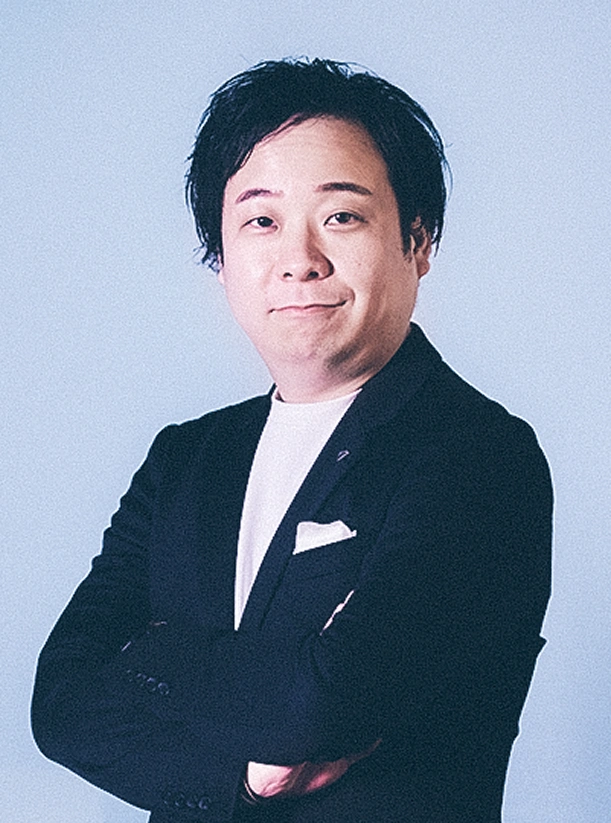
関野大介(せきの だいすけ)
TPホールディングス株式会社代表取締役社長
ウェルスマネジメント・DX領域で7社を展開。14期目、グループ売上約200億円を目指す40歳の経営者です。Always Update ! 未来は更新できる。を信念に日々奮闘する社長です。
■ 公式HP : https://tp-holdings.co.jp/
■ X : https://x.com/intent/follow?screen_name=Chibisuke_0920
■ facebook : https://www.facebook.com/daisuke.sekino
■ threads : https://www.threads.com/@daisuke.s_1985
■ note : https://note.com/daisuke1213
Daisuke Sekino
President and Representative Director of TP Holdings Co., Ltd. He runs seven companies across wealth management and digital transformation. Now in the group’s fourteenth year, he is working toward group revenue of approximately 20 billion yen. A forty-year-old company owner who lives by a single belief: Always Update — the future can be rewritten.
【PROFILE】
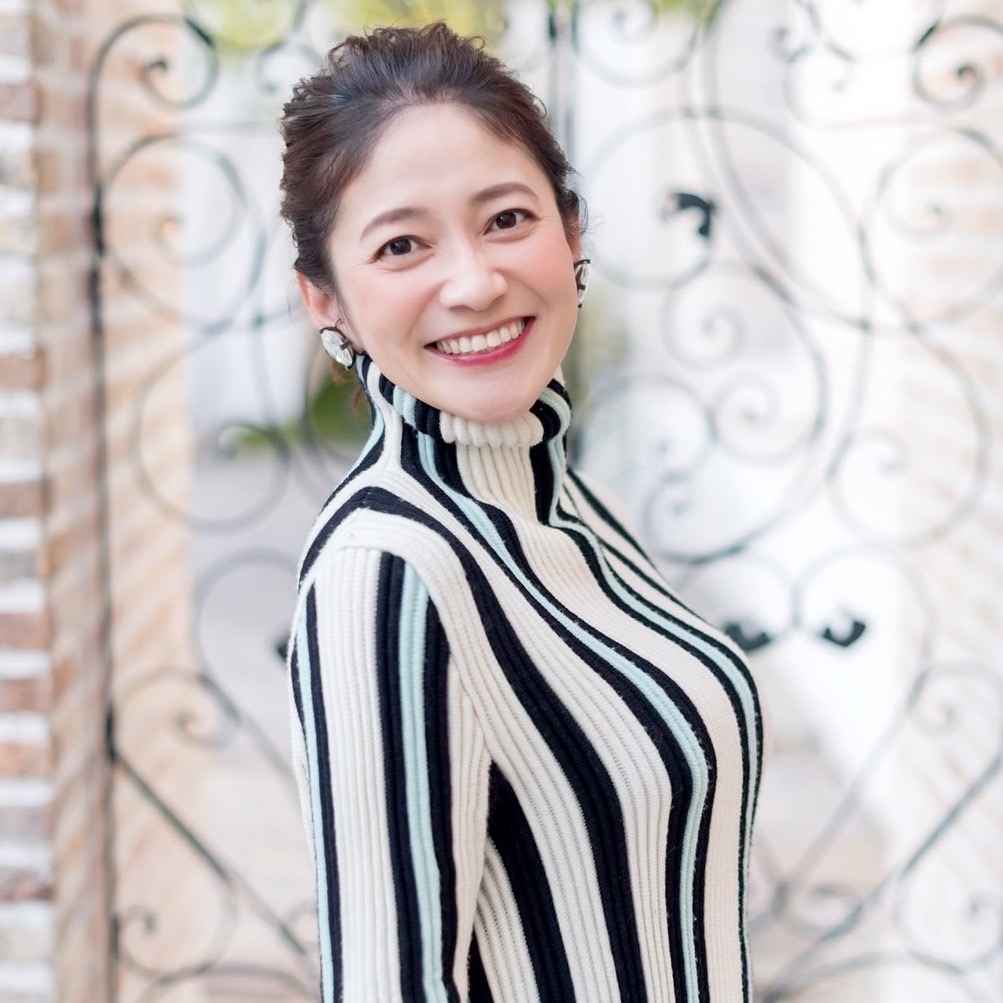
真綺(Maki)
語りの芸術家/インタビュアー/コミュニケーション・スペシャリスト
8年間“しつもん力”を教え、日本語と英語の間で人の想いを橋渡ししてきた。
これまで国内外で、経営者、アーティスト、国際的イベントの登壇者など延べ数千人と対話。
世界的な授賞式や王室叙任式のスピーチ・通訳も担当し、言葉と存在感の両面から人の魅力を引き出す。
Maki
Word Painter / Interviewer / Communication Specialist
For eight years, Maki has taught the art of asking powerful questions, bridging stories between Japanese and English.
She has engaged in thousands of conversations with business leaders, artists, and speakers at international events, both in Japan and abroad.
Her work includes speeches and interpretation for global award ceremonies and royal investitures, capturing and conveying the essence of a person through both words and presence.
経営者の存在感を、言葉とストーリーに刻む。
真綺による日英インタビューにご興味のある企業様はこちらからお問い合わせください。





コメント