
🇯🇵日本語
猪熊さんの仕事は、山で人が死なないための天気予報だ。
危険な場所を知らせ、リスクを伝え、遭難を防ぐ。そう聞くと、どこか厳格で、人を山から遠ざける仕事のように思える。
けれど、話を聞いていくと、印象は反転する。彼が本当に伝えたいのは「怖さ」ではなかった。
雲を見て、空を見て、天気を読む。その楽しさこそが、結果的に人の身を守る。猪熊さんの仕事は、その一点でつながっている。そしてその源をたどると、一人の男を変えた場所に行き着く。
山だ。
💎 山の天気を、「安全」と「楽しさ」の両方から届ける
猪熊さんが2011年に立ち上げた「ヤマテン(山の天気予報)」の仕事は、大きく三つに分かれている。
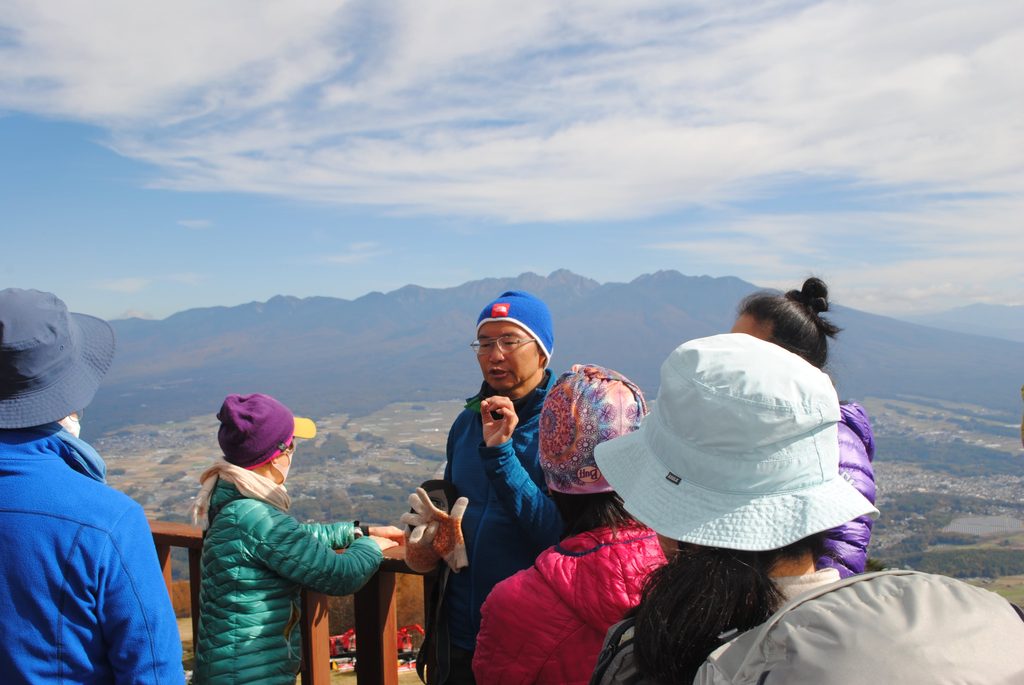
一つは、気象情報の配信。登山者、テレビや映画の撮影隊、プロの登山家に向けて、山の気象情報を届ける。単に天気を伝えるだけではなく、どこにどんな危険があり、どう対策すればいいのか、コンサルティングに近いところまで踏み込む。二つ目は、書籍やウェブ記事、SNSを通じた執筆・発信。朝日新聞の一部地域版では、空の百名山の連載も持っている。三つ目が、講習会や講演会だ。一般の登山者から、山岳会、国立登山研修所、警察・消防・自衛隊の山岳救助部署、登山ガイドまで、幅広い相手に山の気象を教えている。
彼が見据えているのは、「今日は晴れか雨か」ではない。その天気の中で、何が危険で、どう楽しめるのか。そこまで読める人を増やすことだ。
💎 リスクは、消すものではなく「読める」ようになるもの
猪熊さんには、日本社会への一つの見立てがある。危険やリスクを、とにかく排除しようとする傾向が強すぎる、というものだ。
公園でボール遊びを禁止するように、リスクそのものをなくせば、たしかに安全に見える。けれどその一方で、リスクを認識する力そのものが育たなくなる。平地で安全に暮らす感覚のまま山に入ると、天候の急変にも、体調の異変にも、想定が甘くなる。山では、それが遭難につながる。
だからといって、彼は危険ばかりを強調したいわけではない。むしろ山を、こんなふうに捉えている。
「本当にシミュレーションゲームをやっているような、究極のシミュレーションゲームだと思っていまして」
自然という読めないものを読み、どんな敵が現れるかを想定し、どんな装備と判断で対処するかを考える。自分との戦いでもあり、自然との戦いでもある、特殊なスポーツ。リスクを消すのではなく、リスクを自分で読めるようになること。その力を育てることが、猪熊さんの目指す先にある。
💎 楽しくないと、人は学ばない
とはいえ、リスクを説くだけでは、山に縁遠い人は「怖そう」「大変そう」で終わってしまう。猪熊さんが痛感してきたのは、シンプルな一つの事実だった。人は、楽しくないと学ばない。
だから彼が広げたいのは、まず「楽しさ」のほうだ。雲を見ること、空を見ること、天気を読むこと自体が、実はとても楽しい。しかもその楽しさが、めぐりめぐって自分の身を守ることにつながっていく。
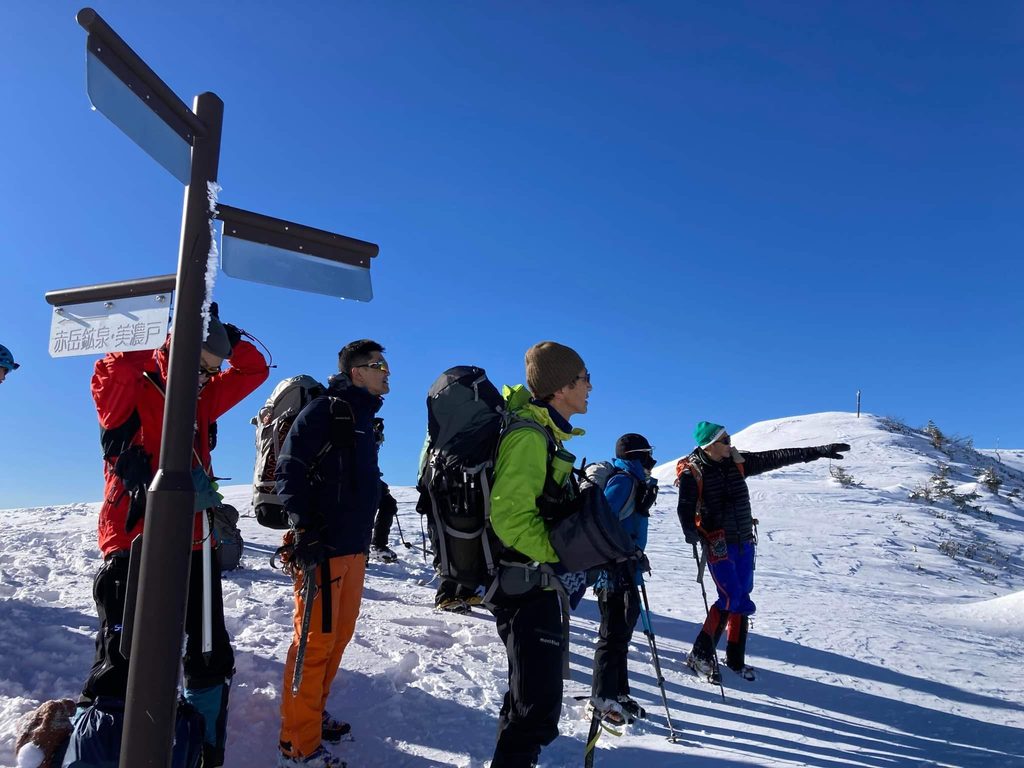
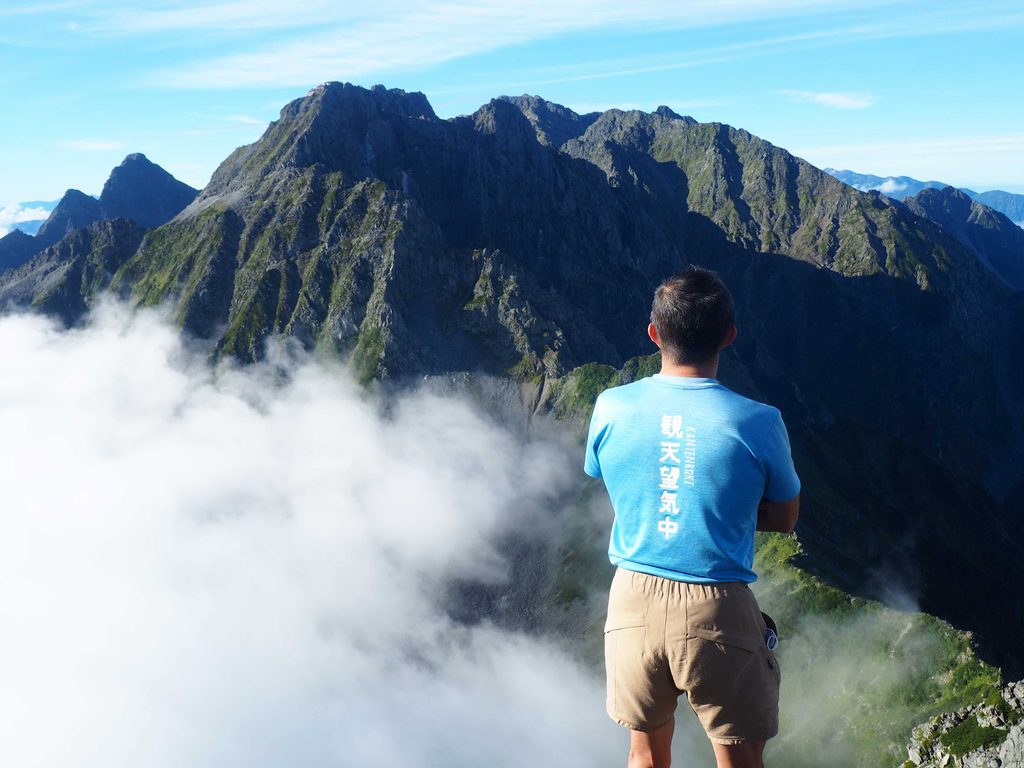
これまで山の魅力は、絶景や花といった切り口で語られることが多かった。そこに猪熊さんは、別の入口を差し出す。こんな雲が見られる、この空を見るとこんなに面白い。天気という角度から、山の魅力を掘り起こす。会員向けには、山頂で空の見方を教える講座も開いている。楽しさを入口にして、その先で、自分の身を守る力に変えていく。
💎 原点は、丹沢の沢登りと、穏やかではなかった家
山と出会った原点は、小学生時代にさかのぼる。当時住んでいた神奈川県に、丹沢という山があった。普通の登山では物足りず、ガイドブックで「沢登り」というものを知る。もともと沢や川を見るのが好きだった。
一人で行くのは怖かったのだろう。よりによって、小学校三、四年の妹を連れて、子ども二人で、大人でも危険なルートに入っていった。途中で追いついてきた登山者のおじさんに驚かれ、結局三人で登ることになる。妹は登れずに泣き出し、お助け紐で引っ張り上げる。下山した頃には、もう真夜中だった。ひどく心配をかけ、親に叱られた。それが、彼の山のデビューだった。
家庭は、必ずしも穏やかではなかったという。だからこそ、山に行くとすべてが「すーっと無になれる」時間が、彼にとって大切なものになっていった。休みのたびに、以前住んでいた新潟へ帰っていたのも、同じ理由からだった。
💎 「何からも逃げていた自分を、変えたかった」
高校時代の猪熊さんは、自分いわく「何からも逃げているダメダメ人間」だった。入りかけた山岳部も、応援団との両立を言い訳にすぐ辞め、勉強もうまくいかず、浪人を経験する。
このままでは大人になれない。社会に出ていけない。そんな焦りが、彼を動かした。旅に出るなら海より山を選ぶほど、山を見るのは好きだった。その山で自分を鍛えたい。大学では、体育会の厳しい山岳部を、あえて選んだ。
最初は毎日、辞めよう、脱走しようと思っていた。それでも同期や先輩に恵まれ、なんとか続けるうちに、彼は一つのことを学ぶ。
「やっぱり人間って、苦しまなきゃダメなんだな。逃げてちゃダメなんだなって」
辛いことを乗り越えた先にこそ、幸せな充実感があり、自分への自信が芽生える。それを知って、彼の人生はガラッと変わった。
💎 大怪我と闘病が、山と天気を掛け合わせた
転機は、二度訪れる。
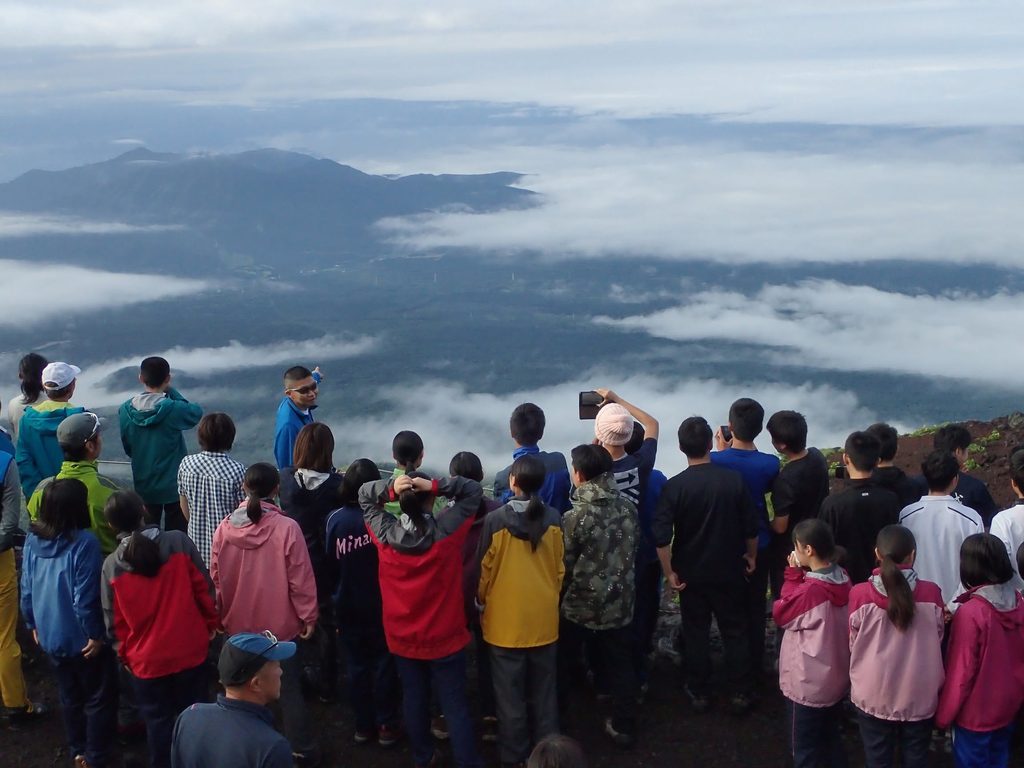
一度目は、大学三年の冬。真冬の富士山で突風に飛ばされ、大怪我を負った。当初は足の切断も示唆されたほどで、何度もの手術を経て、歩けるようになるまで一年半ほどかかった。それでも山への思いは消えず、母校の中国・チベットの七〇〇〇メートル峰遠征に加わるため、勤めていた会社を辞めてトレーニングに専念。登頂を果たし、山はさらに好きになっていった。その後は、ツアー登山の会社で約十年働く。
二度目は、三十五歳のとき。かつて富士山で負った怪我に起因する慢性骨髄炎を発症する。治療法がなく、悪化すれば入院して骨を洗浄するしかない。年に何度も入退院を繰り返す人が多い病だった。海外中心のツアー登山は、飛行機にも乗れず、続けられなくなる。
追い詰められた彼は、考え直す。病院でもできて、自分が人より興味を持てるものは何か。たどり着いた答えが、幼少期から夢中だった「天気」だった。
💎 戻った先は、子どもの頃に夢中だった「天気」
猪熊さんは、もともと相当な天気オタクだった。
インターネットもアメダスもない時代。気象台や測候所に毎日電話をかけ、「なんだこのガキは」と思われながら観測データを集めた。それをノートにプロットし、解析する。子供時代に新潟と神奈川を往復していた経験から、なぜ地域によって天気がこんなに違うのか、その理由を考えるのが好きだった。数学は苦手で気象の道は一度あきらめたが、数字やデータを見ること自体は、ずっと好きだったのだ。
三十五歳。気象予報士の制度があると知り、一年勉強して資格を取る。ちょうど中高年の登山ブームで、集団登山やツアー登山での気象遭難が相次いでいた時期だった。ガイドをする友人や先輩からは、最近の天気は読みづらいと聞いていた。そして、山の天気を専門にやる人は、まだ誰もいなかった。
自分の役割は、ここにあるのかもしれない。そう思った彼は、まず民間の気象会社に就職し、社長と話して山の天気を出させてもらう。二〇〇七年十二月。すべては、そこから始まった。
💎 エベレストの的中が、評判を世界に広げた
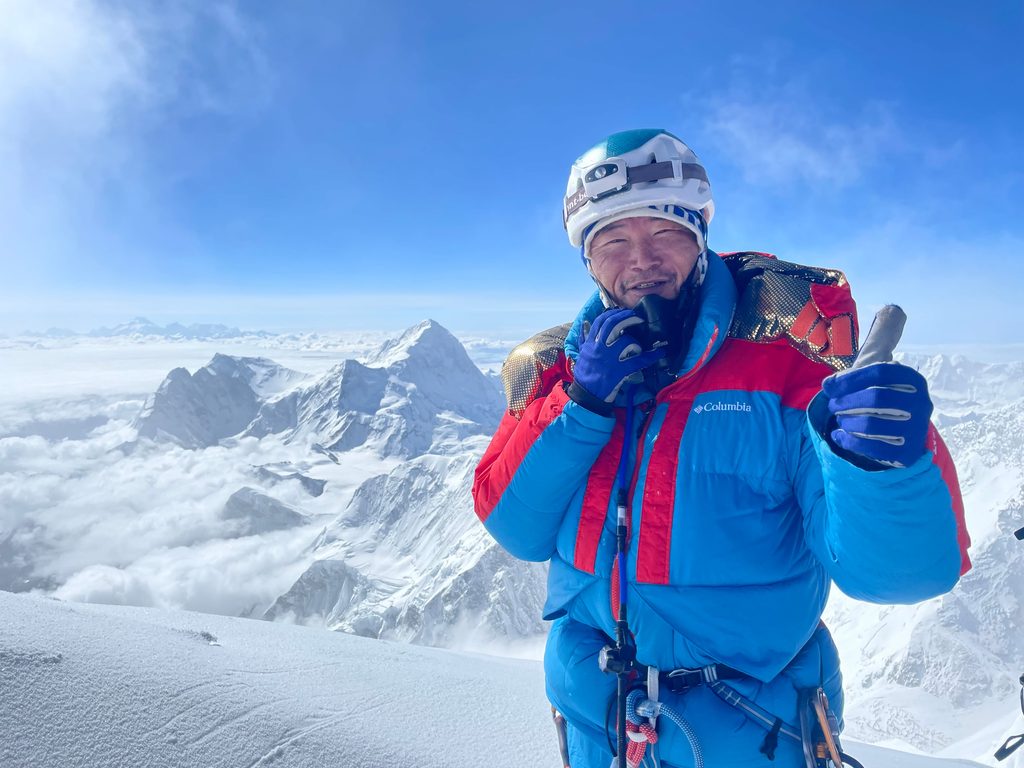
海外の山への扉を開いたのは、一本の依頼だった。日本人で初めて八〇〇〇メートル峰全一四座を目指していた登山家・竹内さんから、「俺の予報を出してよ」と半ば冗談で頼まれたのだ。
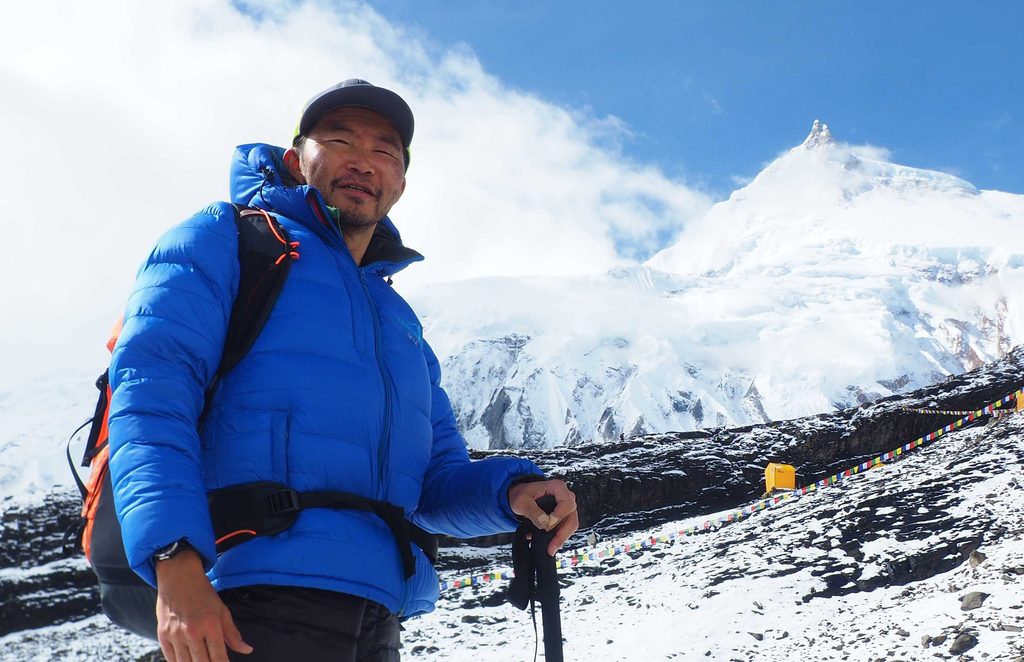
最初に担当したエベレストの予報は、なかなか当たらなかった。現地から毎日、実況を送ってもらい、少しずつ精度を高めていく。そして迎えた、出発日を決める場面。欧米の予報会社はどこも「大荒れ」を示し、他の隊は誰一人、出発しなかった。
そのなかで、猪熊さんの読みは違った。
「下の方は悪いが、七〇〇〇メートルを超えると雲海の上で、天気は良く風も弱い。絶好の登山日和だ」
これがドンピシャで当たる。貸し切り状態の山頂を、みなで堪能した。この出来事が朝日新聞の「ひと」欄に載り、大きな反響を呼んだ。何十年も音信のなかった小学校時代の友人からも、電話がかかってきたほどだった。
以降、竹内さんの一四座挑戦の予報をずっと担当し、海外の登山界でも「日本人の予報が一番いい」と評判が広がっていった。
💎 ヤマテンの違いは、登山者の立場に立った「手作りの予報」
いまや山の天気予報は、そのほとんどが自動計算で発表されている。数値予報やAIを使い、計算式さえあれば、誰でも出せる時代になった。
だが、と猪熊さんは言う。自動計算のもとになるのは観測データで、山はそのデータが圧倒的に少ない。だから自動計算だけでは、先の予報になるほど精度が落ちていく。ヤマテンでは、山の天気に詳しく、登山経験もある気象予報士が、登山者の立場に立って、一から手作りで予報を出している。
もう一つの違いは、リスクの伝え方だ。天気マークだけでは、本当の危険は見えてこない。同じ晴れでも、風速二メートルと二〇メートルではまるで違う。逆に、同じ雨でも風が弱ければ、北八ヶ岳のような苔むした森は、雨に濡れて生き生きと輝く。霧がかかれば、幻想的にもなる。それなのに「雨」のマークだけで、登山をやめてしまう人は多い。
大事なのは、それが自分にとって本当に危険な天気なのかを知ることだ。だからヤマテンは、落雷、低体温症、沢の増水といった具体的なリスクを発信しながら、その天気ならではの楽しみ方まで伝えている。
💎 いくつになっても、始められる
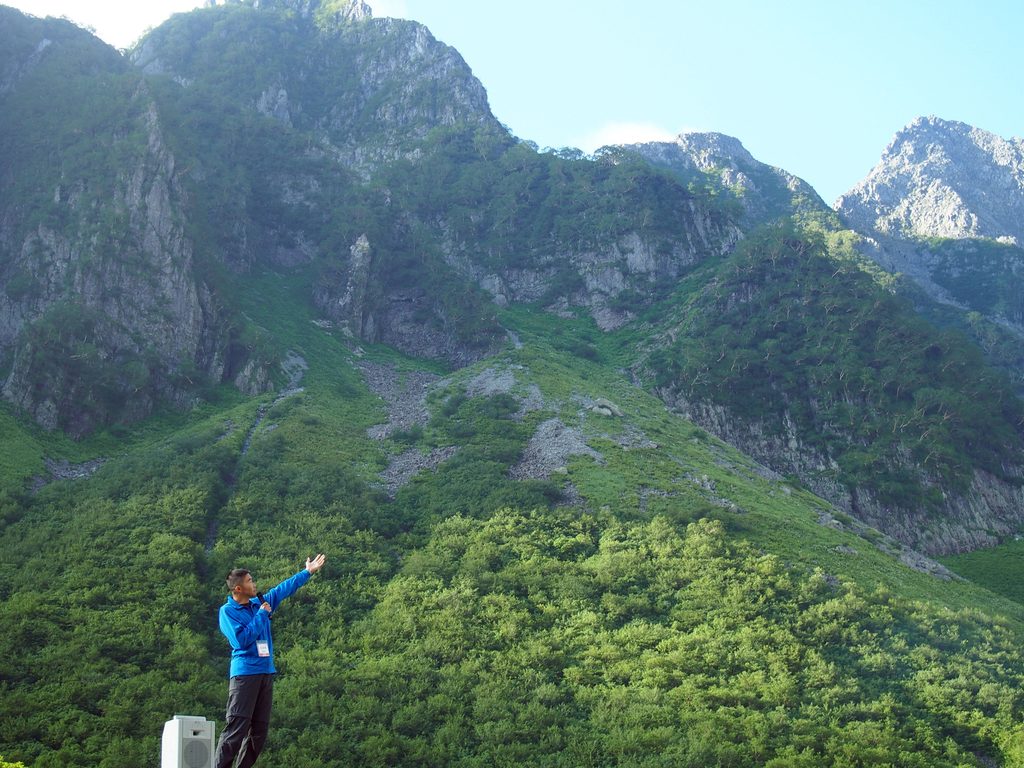
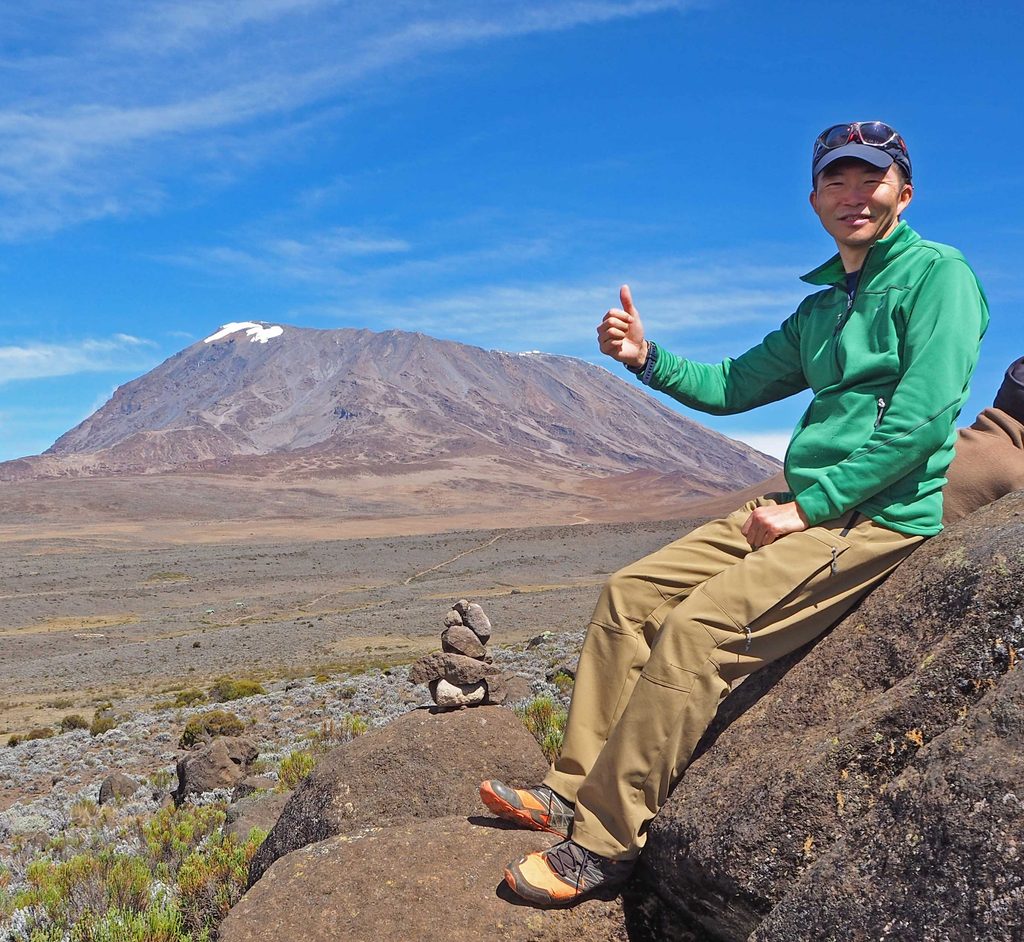
山登りは、いいことがたくさんある趣味だ、と猪熊さんは語る。登っている間は無になれ、日頃の嫌なことを忘れ、絶景に心がスカッとする。平地では出会えない虫や花や鳥、雲海、空気のにおい。五感を刺激する発見が、そこら中にある。
象徴的なエピソードがある。先日、漫画家の鈴木智子さんとコラボツアーを行った。その鈴木さんも、もともとは山と縁遠く、運動が大の苦手だったという。それが高尾山から木曽駒ヶ岳へと進むうちに、すっかり山にハマってしまった。山は、いくつになっても、運動神経がどれだけ悪くても始められる。車やロープウェイで高い場所まで行き、少しだけ歩く。そんなレベルから選べるのも、山のいいところだ。
もし小学生と一日を過ごせるなら、何を伝えたいか。その問いに、猪熊さんの答えは明快だった。
「楽しいことが山ではいっぱいあるよ、ってことを伝えたいですよね」
💎 人生を映画にするなら、「山岳気象予報士で恩返し」
インタビューの最後に、いつもの質問を投げた。人生を一本の映画にするとしたら、タイトルは。
返ってきたのは、「山岳気象予報士で恩返し」。自分の書籍のタイトルと重なることを認めつつも、彼はこの言葉を選んだ。
その心を尋ねると、答えはまっすぐだった。山から、本当にいろいろなものをもらってきた、と。何からも逃げていた自分を変えてくれたのも山。支えてくれた友人や先輩、後輩と出会えたのも山。絶景も、楽しい思いも、数えきれないほど受け取ってきた。
だから、少しでも恩を返したい。いまは地球温暖化を防ぐための取り組みに関わり、登山者の安全につながることをしていきたいと語る。山に受けた恩を、山と、山に関わる人へ返していく。
逃げていた一人の青年を変えた山が、いま、一人の山岳気象予報士を通じて、多くの人の安全と楽しさを支えている。その循環そのものが、猪熊隆之という人の歩みなのだ。
🇺🇸英語
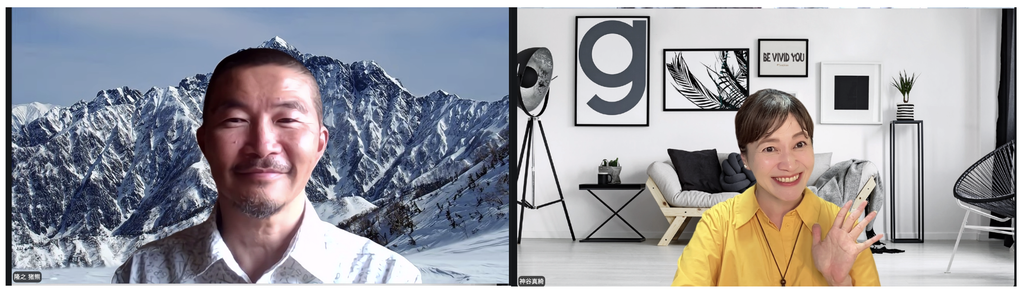
“A Mountain Weather Forecaster, Paying It Back”: The Life of Takayuki Inokuma
Takayuki Inokuma’s job is weather forecasting so that people don’t die in the mountains.
He flags the dangerous spots, warns of the risks, prevents accidents. Put that way, it sounds like stern work, the kind that keeps people away from mountains.
But listen to him, and the picture flips. What he really wants to convey isn’t fear.
Watching the clouds, reading the sky, reading the weather. That joy is exactly what ends up keeping a person safe. His whole work connects at that single point. And trace it back to the source, and you arrive at the place that changed one man.
The mountains.
💎 Delivering mountain weather from both “safety” and “joy”
The work of Yamaten (Mountain Weather Forecast), which Inokuma founded in 2011, divides broadly into three.
The first is distributing weather information. He provides mountain forecasts to climbers, to TV and film crews, and to professional mountaineers. Not just relaying the weather, but going as far as near-consulting: where the dangers lie, and how to prepare for them. The second is writing and outreach, through books, web articles, and social media; he even runs a column on the “hundred famous skies” in the regional edition of a national newspaper. The third is lectures and workshops. From general climbers to alpine clubs, the National Mountaineering Training School, the mountain-rescue units of the police, fire, and defense forces, and mountain guides, he teaches mountain weather to a wide range of people.
What he’s aiming at isn’t “rain or shine today.” It’s increasing the number of people who can read, within that weather, what’s dangerous and how to enjoy it.
💎 Risk isn’t something to erase, but something to become able to read
Inokuma has a particular read on Japanese society: that its urge to simply eliminate danger and risk runs too strong.
Ban ball games in the park, remove the risk itself, and things certainly look safer. But at the same time, the very ability to recognize risk stops developing. Walk into the mountains carrying the mindset of safe, flat-ground living, and you underestimate a sudden turn in the weather, a shift in your own condition. In the mountains, that leads to disaster.
That doesn’t mean he wants to harp on danger. Rather, he sees the mountains like this.
“I really think of it as playing a simulation game, the ultimate simulation game.”
Reading the unreadable thing that is nature, anticipating what enemy will appear, thinking through what gear and what judgment to meet it with. A peculiar sport that is a battle with yourself as much as with nature. Not erasing risk, but becoming able to read it yourself. Growing that ability is what lies at the end of what Inokuma is aiming for.
💎 People don’t learn what isn’t fun
Still, warn only of risk, and for people with no connection to mountains it ends at “sounds scary,” “sounds like a lot.” What Inokuma has felt keenly is one simple fact: people don’t learn what isn’t fun.
So what he wants to spread, first, is the joy. Watching the clouds, watching the sky, reading the weather is, in truth, deeply enjoyable. And that enjoyment, coming full circle, is what ends up keeping you safe.
Until now, the appeal of mountains has mostly been told through grand views and flowers. To that, Inokuma offers another doorway. Look, you can see clouds like this; watch this sky and it’s this fascinating. He unearths the appeal of mountains from the angle of weather. For members, he even holds sessions on summits teaching how to read the sky. Enter through joy, and beyond it, turn that joy into the power to protect yourself.
💎 The origin: canyoning in Tanzawa, and a home that wasn’t peaceful
His origin with mountains goes back to his elementary-school years. In Kanagawa, where he lived at the time, there was a range called Tanzawa. Ordinary hiking didn’t satisfy him, and in a guidebook he learned of something called sawanobori, climbing up mountain streams. He had always loved looking at streams and rivers.
Going alone was probably too frightening. So of all things, he took his sister, then in third or fourth grade, and the two children walked into a route dangerous even for adults. A climber who caught up with them was alarmed, and in the end the three of them climbed together. His sister couldn’t manage it and burst into tears; he hauled her up with a rescue cord. By the time they came down, it was the dead of night. He worried his parents terribly and was scolded. That was his debut in the mountains.
His home, he says, wasn’t always a peaceful one. Which is exactly why the time in the mountains, when everything could just melt into nothing, became precious to him. It was the same reason he went back, every holiday, to Niigata, where he used to live.
💎 “I wanted to change the self that ran from everything”
In high school, Inokuma was, in his own words, “a hopeless person who ran from everything.” The alpine club he nearly joined, he quit at once, blaming the clash with the cheer squad; his studies didn’t go well; he spent a year as a rōnin retaking exams.
At this rate he’d never become an adult, never make it out into society. That anxiety set him moving. He loved the mountains enough that, given a trip, he’d choose them over the sea. He wanted to forge himself in those mountains. At university, he deliberately chose the grueling, hard-line alpine club.
At first he thought, every single day, of quitting, of running away. But blessed with peers and seniors, as he somehow kept at it, he learned one thing.
“A person really does have to suffer. You can’t just keep running.”
It’s past the hard things that a happy sense of fulfillment waits, and confidence in yourself takes root. Learning that, his life changed completely.
💎 A serious injury and a long illness fused mountains with weather
The turning points came twice.
The first was the winter of his third university year. On Mt. Fuji in deep winter, he was thrown by a gust and seriously injured; at first, amputation of his leg was even suggested. After several surgeries, it took about a year and a half before he could walk again. Even so, his feeling for the mountains never faded. To join his alma mater’s expedition to a 7,000-meter peak in Chinese Tibet, he left the company he’d been working for and threw himself into training. He reached the summit, and his love of the mountains deepened further. After that, he worked for about ten years at a mountain-tour company.
The second came at thirty-five. He developed chronic osteomyelitis, stemming from the injury he’d taken on Fuji. There was no cure; when it worsened, all he could do was be hospitalized and have the bone cleaned out. It was an illness that had many sufferers cycling in and out of the hospital several times a year. His tour work, centered overseas, became impossible; he couldn’t even board a plane.
Cornered, he thought it over. What could he do even from a hospital, and had more interest in than most people? The answer he arrived at was the thing he’d been absorbed in since childhood: weather.
💎 What he returned to was the “weather” he’d been obsessed with as a child
Inokuma had, from the start, been a considerable weather geek.
This was an age with no internet, no automated observation network. He phoned the meteorological offices and weather stations every single day, gathering observation data while, no doubt, they wondered what this kid was after. He plotted it into notebooks and analyzed it. From childhood years spent shuttling between Niigata and Kanagawa, he loved to work out why the weather differs so much from region to region. He was weak at math and had once given up on the meteorological path, but looking at numbers and data, in itself, he had always loved.
Thirty-five. Learning there was a certified weather forecaster system, he studied for a year and earned the qualification. It was just when a middle-aged climbing boom had brought a run of weather-related accidents, in group climbs and in guided tours. From friends and seniors who worked as guides, he’d heard that the weather lately was hard to read. And no one, yet, specialized in mountain weather.
Perhaps this was where his role lay. Thinking so, he first took a job at a private weather company, and after talking it through with its president, was allowed to issue mountain forecasts there. December 2007. Everything began from there.
💎 A forecast that hit on Everest carried his name across the world
What opened the door to overseas peaks was a single request. From the mountaineer Takeuchi, who was aiming to become the first Japanese to climb all fourteen of the 8,000-meter peaks, came a half-joking ask: forecast for me, would you.
The first Everest forecast he handled kept missing. Having the team send live conditions from the site every day, he raised the accuracy little by little. Then came the moment of deciding the departure day. Every Western forecasting company pointed to a major storm, and not a single other team set out.
Amid that, Inokuma’s read was different.
“It’s bad down low, but above 7,000 meters you’re over a sea of cloud, the weather’s fine and the wind is light. A perfect day to climb.”
It hit, dead on. They had the summit to themselves and savored it. The episode ran in the “people” column of a national newspaper and drew a huge response; even a grade-school friend he hadn’t heard from in decades called him up.
From then on he handled the forecasts throughout Takeuchi’s fourteen-peak challenge, and even in the international climbing world, word spread that “the Japanese forecasts are the best.”
💎 What sets Yamaten apart is a “handmade forecast,” made from the climber’s side
These days, mountain weather forecasts are, for the most part, issued by automated calculation. With numerical prediction and AI, and a formula in hand, anyone can now put one out.
But, says Inokuma, what automated calculation is built on is observation data, and for mountains that data is overwhelmingly scarce. So automation alone loses accuracy the further out the forecast goes. At Yamaten, a forecaster who knows mountain weather intimately and has climbing experience of his own issues the forecast from scratch, by hand, standing in the climber’s shoes.
The other difference is how the risk is conveyed. A weather icon alone won’t show you the real danger. The same “sunny” is entirely different at a wind speed of 2 meters and of 20. Conversely, the same rain, if the wind is light, can set a moss-covered forest like those of the Kita-Yatsugatake glowing, alive in the wet; a drift of fog can turn it dreamlike. And yet many people call off a climb on the “rain” icon alone.
What matters is knowing whether it’s truly dangerous weather for you. So Yamaten sends out concrete risks, lightning, hypothermia, a stream in spate, while conveying, too, the ways to enjoy that particular weather.
💎 You can start at any age
Climbing is a pastime with no end of good things about it, Inokuma says. While you’re climbing you can empty your mind, forget the day’s unpleasantness, feel your heart clear at a magnificent view. Insects, flowers, birds you’d never meet on flat ground, a sea of cloud, the scent of the air. Discoveries that stir all five senses are everywhere.
There’s a telling episode. Not long ago, he ran a collaborative tour with the manga artist Tomoko Suzuki. She, too, had been a stranger to mountains and thoroughly hated exercise. Yet moving from Mt. Takao on to Mt. Kisokoma, she fell for the mountains completely. Mountains can be started at any age, however poor your athletic sense. Ride a car or a ropeway most of the way up and walk just a little: that you can choose from a level like that is one of the good things about them.
If he could spend a day with schoolchildren, what would he want to convey? His answer to that was plain.
“I’d want to tell them there are so many fun things in the mountains.”
💎 If his life were a film: “A Mountain Weather Forecaster, Paying It Back”
At the end of the interview, the usual question. If your life were a single film, what would the title be?
His answer: “A Mountain Weather Forecaster, Paying It Back.” Admitting it overlapped with the title of his own book, he still chose these words.
Asked what lay behind them, his reply was straight. He had truly received so much from the mountains. It was the mountains that changed the self that ran from everything; the mountains through which he met the friends, seniors, and juniors who had supported him; the mountains that had given him countless magnificent views and joys beyond counting.
So he wants to pay a little of it back. These days he takes part in efforts to prevent global warming and wants to do things that lead, however slightly, to climbers’ safety. The debt he owes the mountains, he returns to the mountains and to the people who love them.
The mountains that changed one young man who was running away now, through one mountain weather forecaster, support the safety and the joy of many. That circulation itself is the journey of the man named Takayuki Inokuma.
【PROFILE】
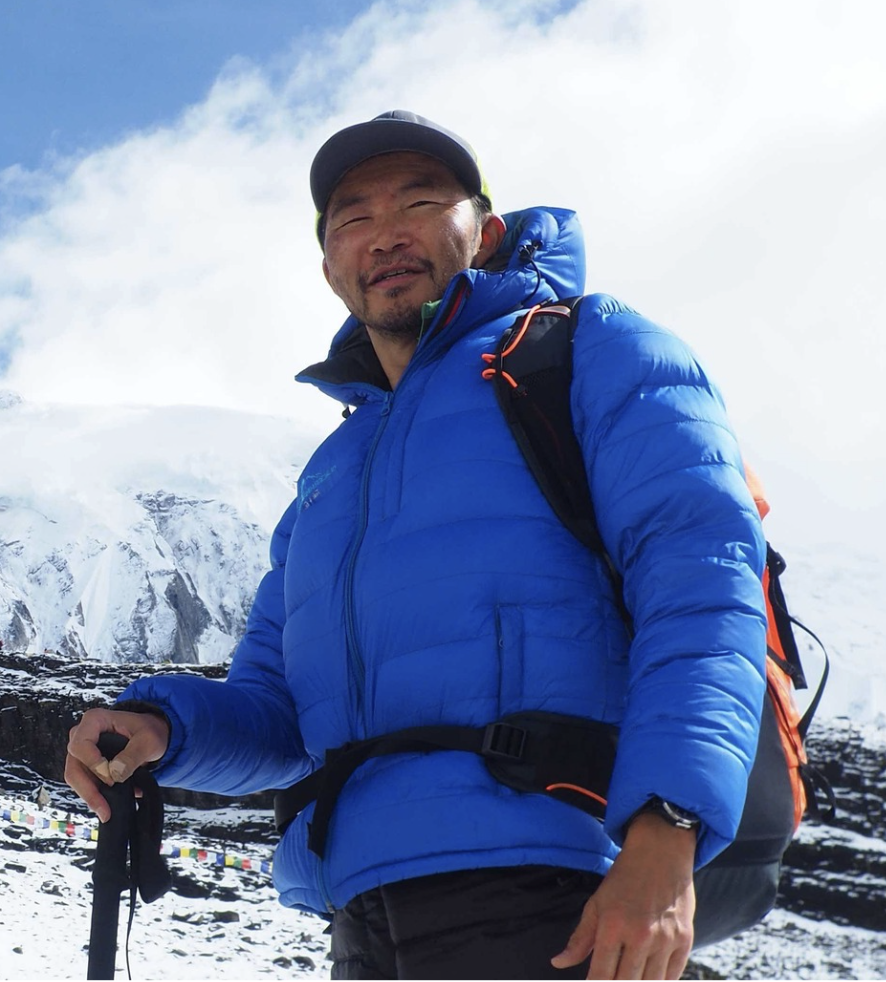
猪熊隆之(いのくま たかゆき)
山岳気象予報士。2011年、山の天気予報サービス「ヤマテン」を設立。気象情報の配信、執筆・発信、講習会・講演会を通じて、山の「安全」と「楽しさ」の両方を伝え続けている。国立登山研修所の講師・専門調査員も務める。エベレストをはじめとする海外高峰の予報でも高い評価を得てきた。「山岳気象予報士で恩返し」を掲げ、山に受けた恩を、山と登山者へ返すことをライフワークとする。
ヤマテン:https://i.yamatenki.co.jp/
Takayuki Inokuma
A mountain weather forecaster. In 2011 he founded the mountain weather forecasting service Yamaten. Through distributing weather information, writing and outreach, and lectures and workshops, he continues to convey both the “safety” and the “joy” of the mountains. He also serves as an instructor and specialist researcher at the National Mountaineering Training School, and has earned high regard for his forecasts on Everest and other overseas peaks. Under the banner of “a mountain weather forecaster, paying it back,” he makes it his lifework to return what he received from the mountains to the mountains and to those who climb them.
【PROFILE】
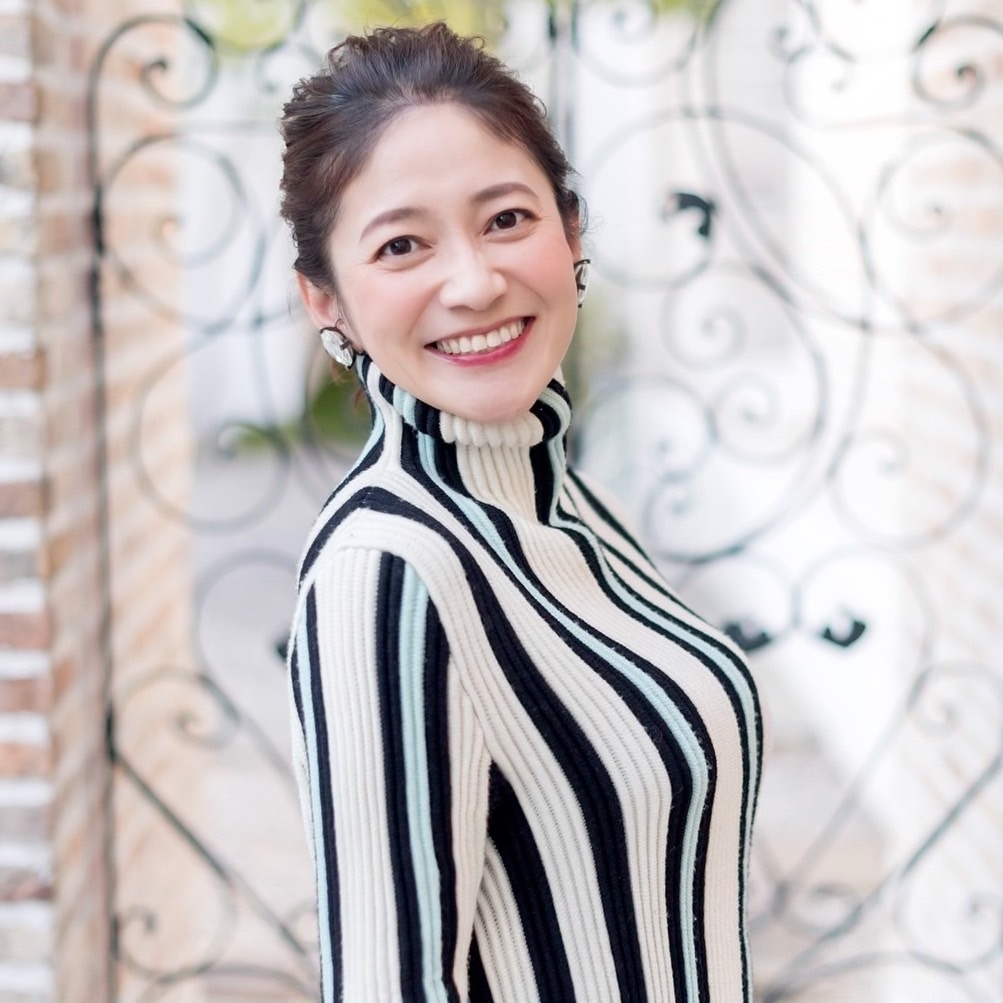
真綺(Maki)
語りの芸術家/インタビュアー/コミュニケーション・スペシャリスト
8年間“しつもん力”を教え、日本語と英語の間で人の想いを橋渡ししてきた。
これまで国内外で、経営者、アーティスト、国際的イベントの登壇者など延べ数千人と対話。
世界的な授賞式や王室叙任式のスピーチ・通訳も担当し、言葉と存在感の両面から人の魅力を引き出す。
Maki
Word Painter / Interviewer / Communication Specialist
For eight years, Maki has taught the art of asking powerful questions, bridging stories between Japanese and English.
She has engaged in thousands of conversations with business leaders, artists, and speakers at international events, both in Japan and abroad.
Her work includes speeches and interpretation for global award ceremonies and royal investitures, capturing and conveying the essence of a person through both words and presence.
経営者の存在感を、言葉とストーリーに刻む。
真綺による日英インタビューにご興味のある企業様はこちらからお問い合わせください。


コメント