
🇯🇵日本語
ラモスさんは、YouTubeで売上をつくる人だ。
自社の蓄電池が売れるのも、運用代行の問い合わせが入るのも、その八割から九割はYouTubeから生まれている。そう聞くと、数字と仕組みに強い、合理の人を思い浮かべる。
けれど、話を聞いていくと、印象は少しずつ変わっていく。彼の言葉の中心にいたのは、いつも「誰か」だった。家族、仲間、そして目の前のお客様。
YouTubeは、ラモスさんにとって手段ではない。誰かのそばにいるため、誰かを支えるために生まれた、もう一人の自分なのだ。
💎 YouTubeは「自動集客」ではなく、「分身」
ラモスさんは二つの会社を率いている。YouTubeの撮影・動画編集から、動画編集のシステムづくりまでを手がけるラモスマーケティング。そして、蓄電池を販売するVOLT WORKS株式会社。業種はまるで違うが、どちらも根幹にはYouTubeがある。Threads、X、Instagramも同時に動かしているが、成果を生んでいるのはほぼYouTubeだという。
仕事の道具として一言で表すなら「自動集客」。けれど人生にとってのYouTubeは、と問うと、しばらく考えたのちに「分身」という言葉が出てきた。
彼の会社では、取材中のこの瞬間にもAIが請求書を作り、確認作業を進めている。それでも、AIとYouTubeは同じ分身ではないと言い切る。
「AIはあくまで既にある仕事を実行する分身。YouTubeは、未来への売り上げや集客をつくってくれる分身なんです」
今あるものを回すのがAIなら、まだないものを連れてくるのがYouTube。営業担当が辞めてしまったある車屋のクライアントでは、YouTubeがその人の販売台数以上の集客を生むようになった。分身という言葉は、比喩ではなく実感なのだ。
💎 「代行」ではなく、会社ごとお客様の分身になる
ホームページには「SNS業務はすべてプロにお任せ」とある。動画を撮って載せてくれる代行業者。多くの人はそう受け取るだろう。けれどラモスさんが大切にしているのは、撮影や投稿の手前と、その先にある。
撮って伸びれば問い合わせが来る、という世界ではない。そのお店や会社の内部をどこまで理解できるか。お客様がどんな悩みを抱えているのか。問い合わせが来た後、どう動くのか。そこまで分かっていなければ、人を動かす企画は立てられない。
「本当に経営に似たような感覚で入っていかなければいけないと思ってるんです」
だからチームには、撮影が終わったら十分でも十五分でもいいから、お客様とたわいのない話をしてこいと伝えている。徹底した現場主義だ。
信頼が深まると、ホームページ制作や請求書業務まで任されるようになる。最後には「とりあえずラモスに全部お願いしたらいい」と言われる存在になっていく。それはもう、代行ではない。今ある業務を支え、未来の相談にも乗る。ラモスマーケティングという会社そのものが、お客様の分身になっているのだ。
💎 分析の原点は、ホンダの「品質」にあった
ラモスさんの強さの一つは、データを前にした判断の速さにある。
副業でYouTubeを始めた当初、目指していたのはキャンピングカー屋さんだった。ところが、キャンピングカーのパーツとして蓄電池を紹介した回だけ、再生数が三、四パーセント高い。それが分かった瞬間、作りためていた三十本ほどのキャンピングカー動画を全部削除し、蓄電池だけを残した。アルゴリズムは、そこからよく回り始めた。
この判断力のルーツは、ホンダで八年間携わった品質の仕事にある。不具合が出たら、どこに原因があるのかを突き止めて直す。社内では車に向けて使うその手法を、彼はまずYouTubeに持ち込んだ。
「この手法って、何にでも使えるんじゃないかって、ホンダにいた時からずっと思ってたんです」
YouTubeにも、自分の人生にも、今は経営にも。経営の勉強は一切してこなかったと本人は言う。それでも会社を回せているのは、会社員時代に学んだものを、自分の人生に置き換えて使ってきたからだ。
💎 七歳で知った、寂しさと、言葉の壁
では、なぜ彼はパソコン一つで働ける道を目指したのか。その源をたどると、フィリピンで過ごした幼少期に行き着く。
日系フィリピン人のラモスさんは、七歳まで祖母に育てられた。両親は日本で働いていて、飛行機代も高く、ほとんど帰ってこられない。七歳までに父と母に会えたのは、たった二回。「多分寂しかったんでしょうね」と、彼は静かに振り返る。
もし自分が家族を持ったら、絶対にそばにいよう。会社勤めでは、その自由は手に入らない。大企業に入るという夢とは別に、もう一つの目標がこのとき生まれていた。
七歳の秋に来日したとき、日本語はまったく話せなかった。消しゴムを借りることさえ言葉にできず、黙って手に取ってしまう。そんな少年が、来日からわずか二ヶ月ほどで、ある結論にたどり着く。
「日本人と同じくらいの漢字の読み書きと、言葉の抑揚を習得できなければ、日本に馴染むことはできない」
友達に「教えて、教えて」と聞き、ドッジボールをしながら言葉を吸収した。翌年の一月、二月にはすっかり話せるようになっていた。今では漢検二級を持つ。状況を見て、必要なものを見極め、圧倒的な量で取りにいく。その姿勢は、七歳のときからすでにそこにあった。
💎 一粒の飴玉が教えた、人生の有限
ホンダは、ラモスさんにとって夢の会社だった。給料もいい、休みも多い。それでも二年半から三年、副業の準備を続けたのは、あの「家族のそばに」という目標があったからだ。そして、二足のわらじを一本にした決定打は、思いもよらないものだった。
大阪に住んでいた頃、真夜中の高速道路。眠気覚ましに口に入れた飴玉が強烈に酸っぱく、思わず飲み込んで喉に詰まらせた。三十秒ほどで飴玉はポロッと出てきた。けれどそのわずかな時間に、彼は死を考えた。
「死ぬ時って、癌とか大きな交通事故とかじゃなくて、たまたま買った飴玉で死ねるんだって気づいたんです」
人生は有限だ。頭ではなく、体で分かった瞬間だった。二ヶ月後には、ホンダを辞めていた。
死を身近に感じた経験は、それだけではない。会社員としての考え方を教えてくれた大好きな先輩は、ラモスさんの独立後、癌で早くに亡くなった。生きること、死ぬことを近くに感じるとき、人は力が出る。今のエネルギーの元には、そうした人たちの存在がある。
💎 どん底で頼ったのは、本でも講座でもなく、体だった
独立直後は、融資も受けずに一人で経営していた。売上は、自分と妻を養うのがやっと。そんな中、その六、七割を占めるクライアントから、一ヶ月後に解約すると告げられる。車を運転しながら、ポロポロと涙がこぼれた。
立て直すために、まず向き合ったのは自分のメンタルだった。けれど、選んだ方法は意外なものだった。
「本当にシンプルに、筋トレとランニング。体を先に動かすんです」
心を整えてから動くのではない。体を動かして脳内物質を出してから、勝負に臨む。それが確かに効いた。今では社内でも、仕事中の筋トレや運動を認めている。頭で考え込む前に、まず体を動かす。思い立ったらすぐ動かないとモヤモヤしてしまうという、子どもの頃からの性分とも重なる。
💎 採用基準は、「この人のために、自分たちが稼げるか」
独立して三年十ヶ月。一人で始めた会社は、五人のチームになった。仲間を迎える基準を尋ねると、ラモスさんは迷わなかった。技術でも、実績でもない。
もしその人が事故などで動けなくなったとき、休んでいていいから、自分たちがその人のために稼いでいけるか。問われているのは相手ではなく、受け入れる側の覚悟だ。
創業メンバーは、高校の先輩やホンダの後輩など、もともとつながりのある仲間だった。そこへ初めて外部から迎えたのが、今カメラマンを務めるメンバーだ。ラモスさんが一度OKを出したうえで、もう一人のメンバーにも判断を委ねた。この人に何かあっても、俺らで働けるか、と。その答えが揃って、仲間になった。入ってからは、技術も何もかも一気にレベルアップしていったという。
当の本人は、ご飯に誘われた店で三人がずらりと並んでいた日を、笑いながらこう振り返る。
「一番最初、圧迫面接やなと思いました」
それでも入ってみれば、足りないところや常識的な部分まで、一つひとつ真摯に教えてくれる人たちばかりだった。とても助けられた、と言う。
三年後、五年後には、メンバー一人ひとりをトップにして、その下に三人から五人の部下をつけたい。社長になりたい人は、社長にしていきたい。そのとき自分はどこにいるのかと聞くと、「ノープランなんです」と笑った。主語は、ここでも自分ではなく仲間だった。
💎 子どもに渡したいのは、「自分で考える自由」
今、ラモスさんが何より大切にしているのは、二歳の娘さんと家族だ。妻の地元・富山で暮らし、休日はキャンピングカーで家族と出かける。パソコン一つで働けるようにしたのも、娘を三歳まで自分の手で見たいという妻の夢を叶えるためだった。課題があるからこそ頑張れる、と彼は言う。
娘さんの幼稚園を選ぶときも、決め手は壁の絵だった。全員が同じ構図の絵を飾る園ではなく、子どもたちが壁いっぱいに自由な落書きをしている園を選んだ。
「もちろん責任もありますけど、いかに自由に発想して、いかに自由に動くかが大事だと思います」
小学生に一日だけ何かを体験させられるなら、社長業をやってもらいたいという。経営は、誰かに言われてやるものではなく、自分からやるもの。その考えは、仕事にも、家族にも通っている。
💎 明日のことは、考えていない
人との関わり方にも、彼らしい線の引き方がある。出会いのきっかけはシステマチックにつくる。けれどその先は、恋愛と同じように、心が動くままに関わっていく。そして、時間には厳しい。自分たちの一時間の重さを知っているからこそ、相手の時間にも同じ重さがあると考える。時間はお金であり、何より、寿命には限りがある。
飴玉で死を感じた人に、死ぬまでに絶対やっておきたいことを聞いてみた。しばらく唸ったあと、返ってきた答えは「ない」だった。
仕事も、家族も、目の前の人も、毎日すべてに本気すぎて、明日明後日のことを考えられない。万が一今日何かあれば、家族は悲しむかもしれない。それでも自分自身は本気でやっているから、後悔はしないと思う、と。
やり残したことを未来に積むのではなく、今日に使い切る。人生の有限さを知った人の、ひとつの答えがそこにあった。
💎 人生を映画にするなら、「人を応援し続けた人生」
インタビューの最後に、いつもの質問を投げた。人生を一本の映画にするとしたら、タイトルは。
「人を応援し続けた人生、ですかね」
その心を尋ねると、答えはまっすぐだった。自分軸では生きていない。家族のため、周りのため、目の前のお客様のため。そして取材をしているこちらに対してさえ、何かできることはないかと考えている。自分のことも大切にしているけれど、自分だけでは面白くない。誰かのためだと思うと強く動ける自分を、彼はもう知っている。運営するYouTubeチャンネルの名前も、「ラモスの人生好転応援チャンネル」だ。
尊敬するのは、背中で語る人。自分もそうありたいという。
両親に二回しか会えなかった少年は、家族のそばにいられる働き方を求めて、YouTubeという分身を手に入れた。そして今、その分身をつくる力で、仲間を支え、お客様の分身をつくっている。誰かのために本気で動くこと。その積み重ねそのものが、ラモスさんという人の輪郭なのだ。
🇺🇸English
“A Life Spent Cheering People On”:
How APJ Ramos Turned YouTube into His Second Self
At first glance, Ramos seems like a numbers-driven businessman. He sells portable power stations and runs a YouTube agency. Almost all of his customers find him the same way: through YouTube. It accounts for 80 to 90 percent of his sales and inquiries.
But spend an hour with him, and a different picture emerges. Nearly every story he tells is about someone else. His family. His team. The client sitting across from him.
For Ramos, YouTube isn’t just a marketing channel. It’s his second self. It works around the clock, so he can stay close to the people who matter.
💎 Not Just Marketing: A Second Self
Ramos runs two companies. Ramos Marketing handles YouTube production, from filming and editing to building automated editing systems. VOLT WORKS Inc. sells portable power stations. The two businesses have little in common, except one thing: both run on YouTube. He’s active on Threads, X, and Instagram too. But YouTube delivers almost all the results.
As a business tool, he sums up YouTube as “automated customer acquisition.” But what does it mean for his life? He pauses, then chooses a different phrase: a second self.
Even during our interview, AI was at work in his company, preparing and checking invoices. But he draws a clear line between the two.
“AI is a second self that executes work that already exists. YouTube is a second self that creates future sales and future customers.”
AI keeps the present running. YouTube brings in what doesn’t exist yet. He’s seen it work. One client, a car dealership, lost a salesperson and turned to YouTube. Today, the channel brings in more customers than that salesperson ever did.
💎 More Than an Agency
His website promises to take social media off clients’ hands. That makes Ramos Marketing sound like a typical agency. But the real work happens before the camera rolls, and long after the video goes live.
Ramos doesn’t believe in “film it, post it, and the leads will come.” What matters is understanding the business from the inside. What problems do its customers have? What happens after an inquiry comes in? Without those answers, he says, you can’t make content that moves people.
“I really think we have to go in with the mindset of running the business ourselves.”
So his team has a rule. After every shoot, spend ten or fifteen minutes just chatting with the client. No agenda.
As trust grows, clients hand over more. Their websites. Their invoicing. Other back-office work. Eventually, it becomes simply: “Just ask Ramos.” At that point, his company isn’t an agency anymore. It has become the client’s second self.
💎 A Honda Engineer’s Eye for Data
One of Ramos’s sharpest instincts is how fast he acts on data.
He started YouTube as a side project. At the time, he was planning to open a camper van business. Then he noticed something. One video featured a portable power station as camper van gear. It got three to four percent more views than anything else. He deleted all thirty or so camper van videos on the spot and kept only the power station content. The algorithm took off.
That instinct comes from eight years in quality control at Honda. The job was to trace any defect back to its root cause, then fix it. Honda used that method on cars. Ramos used it on YouTube.
“Even back at Honda, I always thought this method could work for anything.”
He applied it to YouTube, to his personal life, and now to his business. He admits he never studied management. He didn’t need to. He took what he learned at Honda and applied it everywhere else.
💎 Seven Years Old, and Learning Fast
Why build a career that runs on a single laptop? The answer goes back to his childhood in the Philippines.
Ramos is Filipino, of Japanese descent. Until age seven, he was raised by his grandmother. His parents were working in Japan, and plane tickets were expensive. By the time he was seven, he had seen them only twice. “I guess I was lonely,” he says quietly.
So he made himself a promise. If he ever had a family, he would be there for them. A regular office job would never allow that. Alongside his dream of joining a major company, a second goal took shape.
He arrived in Japan that autumn without a word of Japanese. He couldn’t even ask to borrow an eraser. He would just quietly take one. Within two months, the seven-year-old had figured something out.
“Unless I could read and write kanji and speak with the same intonation as Japanese people, I’d never really fit in.”
He kept asking classmates to teach him. He picked up the language playing dodgeball. By early the next year, he was fluent. Today he holds Level 2 of the Japan Kanji Aptitude Test, a certification many native speakers find challenging. Read the situation. Figure out what’s needed. Then go all in. He was already doing it at seven.
💎 How One Piece of Candy Showed Him Life Is Finite
Honda was his dream job. Good pay, generous time off. Still, he spent nearly three years building a side business. He hadn’t forgotten his promise to his future family. What finally pushed him out the door, though, was something no one could have predicted.
Late one night, he was driving on the expressway from Osaka. To stay awake, he popped a hard candy into his mouth. It was so sour that he swallowed it by reflex. It got stuck in his throat. For about thirty seconds, he couldn’t breathe. Then it came loose.
“I realized you don’t have to die of cancer or a major car crash. You can die from a piece of candy you just happened to buy.”
He didn’t just understand that life is finite. He felt it. Two months later, he quit Honda.
It wasn’t his only brush with mortality. A senior colleague at Honda had taught him how to think as a working professional. Ramos admired him deeply. Not long after Ramos went independent, his mentor died of cancer. Being close to death, Ramos says, gives you energy. People like his mentor still drive him today.
💎 Hitting Bottom, and Hitting the Gym
In the early days, Ramos ran the business alone, with no loans. He earned just enough to support himself and his wife. Then a client gave him one month’s notice. That client made up 60 to 70 percent of his revenue. He remembers crying behind the wheel.
His first priority was his mental state. But he didn’t turn to books or seminars.
“Honestly, it was simple: strength training and running. Move your body first.”
Get the endorphins going, then go into battle. It worked. Today, his team is welcome to work out during business hours. It fits his personality, too. He has always had to act on an idea the moment it hits. Otherwise, it nags at him.
💎 The One Hiring Question That Matters
Three years and ten months after going independent, Ramos leads a team of five. Ask him how he hires, and he answers instantly. It’s not about skills. It’s not about experience.
Suppose this person had an accident and couldn’t work. Would the rest of us earn a living for them while they recovered? That’s the test. It isn’t really about the candidate. It’s about the team’s commitment.
The founding members already knew each other from high school and Honda. Their first outside hire is now the team’s camera operator. Ramos said yes first. Then he asked another member: if something happened to this person, would you work for them? Both agreed, and the newcomer joined. From there, their skills grew fast.
The new hire still laughs about the “dinner” invitation. They arrived to find three people lined up across the table.
“Honestly, I thought it was a pressure interview.”
But once inside, they found a team that patiently taught them everything, down to the basics. They say it helped enormously.
Within three to five years, Ramos wants each team member to lead a group of three to five people. If someone wants to run a company someday, he’ll help them get there. And where will he be? He laughs: “No plan.” Even here, the focus is on his team, not himself.
💎 Giving Kids the Freedom to Think
Above all, Ramos cherishes his two-year-old daughter and his family. They live in Toyama, his wife’s hometown on Japan’s west coast. On weekends, they head out in their camper van. He built a laptop-only business for a reason: his wife dreamed of raising their daughter at home until age three. A goal like that, he says, keeps him going.
When choosing a kindergarten, the walls made the decision. One school displayed rows of identical artwork, all following one template. The other had walls covered in children’s free scribbles. They chose the scribbles.
“Of course there’s responsibility too, but what matters is how freely you think and how freely you act.”
If he could give elementary school kids one day of any experience, he’d let them run a company. Business, he believes, isn’t something you do because you’re told to. It’s something you choose to take on. That belief runs through both his work and his home.
💎 No Bucket List
Ramos has his own approach to relationships. He builds the first connection systematically. After that, like romance, he follows his heart. He’s also strict about time. He knows exactly what an hour of his team’s time is worth. So he assumes his clients’ time is just as valuable. Time is money. More than that, life is short.
So I asked the man who nearly choked on a candy: what must he do before he dies? After a long, pained pause, he answered: nothing.
He puts everything into each day. Work, family, whoever is in front of him. There’s simply no room left to think about tomorrow. If something happened to him today, his family would grieve. But he’s giving it all he has. So he doesn’t think he’d have regrets.
He doesn’t save things for someday. He spends it all today. That’s his answer to knowing life is finite.
💎 The Movie of His Life: “A Life Spent Cheering People On”
I closed with the question I ask everyone. If your life were a movie, what would it be called?
“A Life Spent Cheering People On, I guess.”
His reasoning was simple. He doesn’t live for himself. He lives for his family, for the people around him, for the client in front of him. Even for me, the interviewer. He was wondering if there was something he could do for me, too. He does take care of himself. But living only for himself, he says, would be boring. He’s learned that he’s at his strongest when it’s for someone else. Even his YouTube channel is called “Ramos’s Channel for Cheering On Your Life’s Turnaround.”
He admires people who lead by example. That’s who he wants to be.
As a boy, he saw his parents only twice. As a man, he built a way of working that keeps him close to his own family, with YouTube as his second self. Now he uses that same skill to support his team and create second selves for his clients. Showing up fully for other people. That’s who Ramos is.
【PROFILE】
APJ ラモス
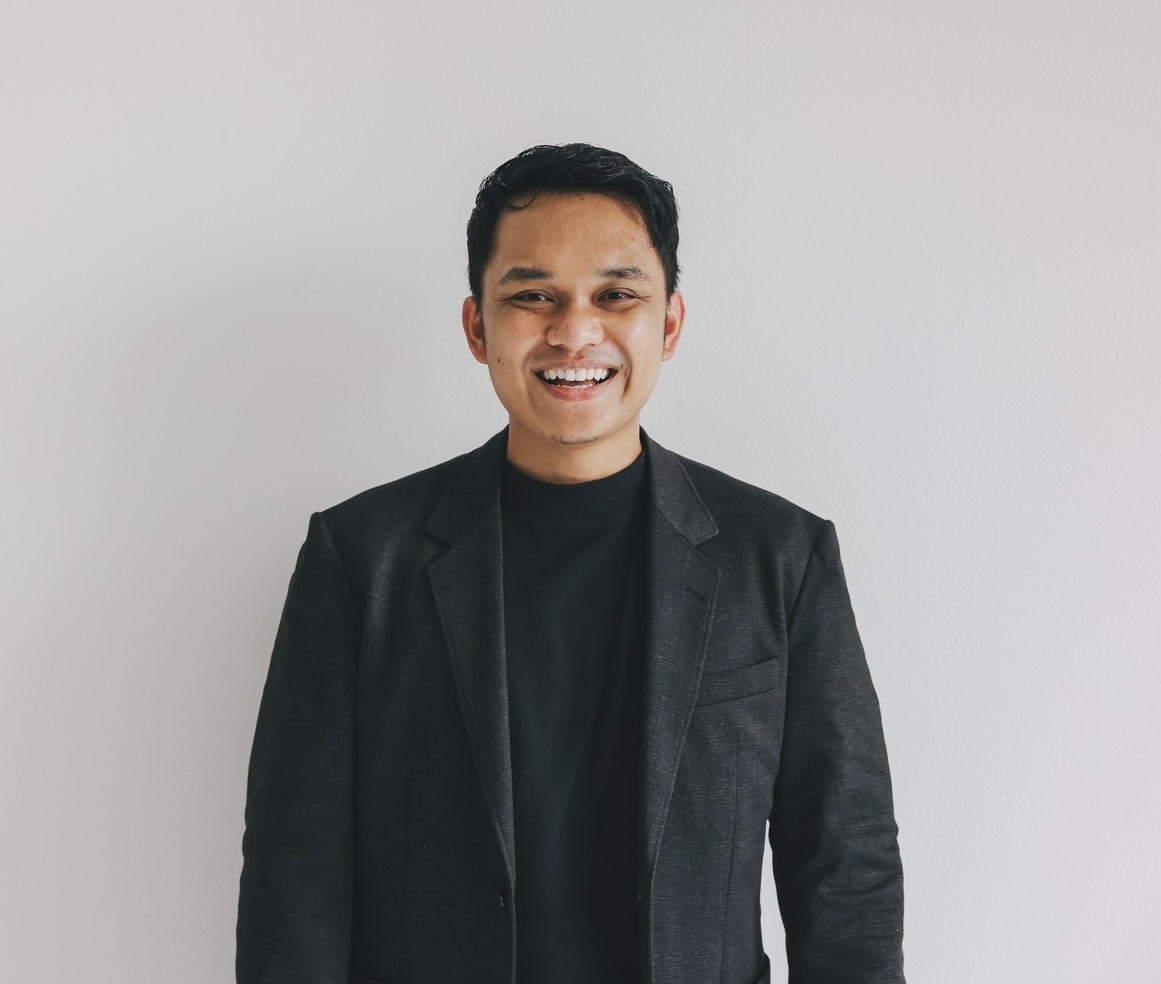
合同会社ラモスマーケティング代表。VOLT WORKS株式会社も経営。フィリピン生まれの日系フィリピン人で、7歳で来日。ホンダの整備士養成校を経て本田技研に入社し、8年間品質・サービス部門に従事。在職中に始めたYouTubeでの蓄電池販売を軌道に乗せ独立。現在はYouTubeの企画・撮影・編集・分析から自動動画編集システムまで、中小企業のYouTube活用を経営目線で伴走支援している。富山在住。
APJ Ramos
Representative of Ramos Marketing LLC and owner of VOLT WORKS Inc. Born in the Philippines, he moved to Japan at seven. After eight years at Honda, he went independent through a YouTube business he built on the side. He now helps small and mid-sized businesses grow with YouTube. Based in Toyama, Japan.

【PROFILE】
真綺(Maki)
語りの芸術家/インタビュアー/コミュニケーション・スペシャリスト
8年間“しつもん力”を教え、日本語と英語の間で人の想いを橋渡ししてきた。
これまで国内外で、経営者、アーティスト、国際的イベントの登壇者など延べ数千人と対話。
世界的な授賞式や王室叙任式のスピーチ・通訳も担当し、言葉と存在感の両面から人の魅力を引き出す。
Maki
Word Painter / Interviewer / Communication Specialist
For eight years, Maki has taught the art of asking powerful questions, bridging stories between Japanese and English.
She has engaged in thousands of conversations with business leaders, artists, and speakers at international events, both in Japan and abroad.
Her work includes speeches and interpretation for global award ceremonies and royal investitures, capturing and conveying the essence of a person through both words and presence.
経営者の存在感を、言葉とストーリーに刻む。
真綺による日英インタビューにご興味のある企業様はこちらからお問い合わせください。







コメント