
🇯🇵日本語
会社を大きくする、と聞くと、規模や売上の話を思い浮かべる。
けれど永草さんの言う「大きくする」は、少し違う。後継者のいない会社を全国から迎え、社名は残したまま、足りないところには人を送って支える。迎えた会社同士が社員も仕事も物もシェアし、互いに支え合う。一社では届かない場所へ、みんなで押し上がっていくためのグループだ。
愛知県春日井市の総合建設会社、株式会社永賢組。創業70年を超える会社の三代目は、18名だった会社をグループ321名にまで育ててきた。
彼が繰り返し口にしたのは、「挑戦」と「人のつながり」という言葉だった。
💎 自分より強い相手と戦う
いま永草さんを最もワクワクさせているのは、やったことのない仕事だ。
海外の著名な設計事務所と組み、これまで経験のない規模の建物を手がける。大手ゼネコンも競った案件だった。受注した時点で、社内にこれをこなせる人はいなかった。だから案件を抱えながら、できる人を集めている。その挑戦がきっかけとなり、より大きな会社で設計部門のトップを務め、海外の大型プロジェクトを手がけてきた人物も加わった。数十億円規模の案件が、いまいくつも同時に動き出している。
人がいるからできるのではない。やると決めてから、人を集める。嫌いなのは、「やったことがない」「実績がない」を理由に挑戦しないことだ。実績は、作ろうとしなければ生まれない。
「ずっと自分より強い人と戦ってなかったら、強くならないですから」
苦手な分野でも同じだ。AIは得意ではない。だからこそ自分より詳しい人を顧問に迎えて社内で勉強会を開き、シンガポールでは世界的なIT企業のオフィスにも足を運んだ。ベテランの技術をデータとして残す。一人で3人分の書類を抱える現場の負担を減らす。人手不足と高齢化が進む建設の現場に、使いどころはいくらでもある。
こうして自分よりすごい世界へ飛び込んでいく感覚を、永草さんは「サッカーで言えばイタリア留学のようなもの」だと表現する。ただ、日本に戻るとその熱はすぐ日常に飲まれてしまう。だから、次に飛び込む先を探し続ける。シンガポールでは、翻訳機越しではなく直接話せるかどうかの差も痛感した。英語とAIはもう趣味ではなく、自分のフィールドを広げるために欠かせないものになった。
その原点は、小学生時代にさかのぼる。
💎 ルールのない世界に惹かれて
サッカーは9年間。小学6年生のとき、雑誌で見つけたイタリアへの練習ツアーに自ら応募した。中高生ばかりの中に、小学生は二人だけ。そこに飛び込むことに、怖さはなかった。とんでもなくうまい選手がいて、セリエAの観客席は爆発するように熱かった。それは挫折ではなく、「すげえ、何これ」という純粋な驚きだった。
現地で、ヨーロッパで一番人気のポジションだったゴールキーパーに転向する。後ろからチーム全体を見て動かすキーパーは、振り返れば社長のような役割だったという。
15歳の頃には、雑誌を通して総合格闘技と出会う。どの競技にもルールがある中、極力ルールを取り払った競技が始まったことに驚いた。
「これって、もうほとんど喧嘩と一緒じゃないかって思ったんです」
パンチ、キック、投げ技、関節技もできる。選択肢がいくらでもある自由さと、勝ち負けが自分一人にはっきり返ってくることに惹かれた。18歳から本格的に始め、週6日、一日中練習に明け暮れた。プロになるかならないかというところで、その道を離れている。
💎 棺の前で、そして父親の前で
転機は20歳のとき。創業者である祖父の葬儀で、社員たちが棺に向かって口々に礼を言っていた。自分が好きなようにサッカーや格闘技に打ち込めたのは、この会社があったからだ。そのとき初めて、そう気づいた。
24歳で入社し、現場も営業も、父親の運転手も務めた。3年ほど経った頃、経営が厳しくなり、父親と共に立て直しに乗り出す。だが入社3年目の若手に、実績はない。理屈では正しくても、話は聞いてもらえなかった。それでも頭を下げて頼み続けるうちに本気が伝わり、古くからの社員が少しずつ助けてくれるようになった。
病に倒れた父親は、亡くなる前に18名の社員全員へ手紙を書いた。そして亡くなる1か月前、病院を抜け出し、痛みを薬で抑えて事業計画の発表会に駆けつけた。永草さんはその場で、稼いで一番の会社にすること、父親が大事にしてきたことを大事にすることを宣言し、こう伝えた。
「今まで育ててくれて、ありがとうございます」
それまで協力的でなかった社員たちも、この日は元気よく発表してくれた。会はそのまま、父親との最後のお別れの場になった。
言葉で教わったわけではない。朝から晩まで働く父親の背中から受け取ったのは、人のつながりを大切にし、困っている人がいれば損得ではなく逃げずに一緒に戦うという姿勢だった。それは創業から三代、変わっていない。
💎 監督として、選手を活かす
父親の跡を継ぎ、30代に入ったばかりで社長に就いた。「潰れるんじゃないか」という声もある中、経験も実績もなく、社員やお客さまの期待にどう応えるかを考え続けた。先代のやり方を真似て守るだけでは、現状維持が精一杯だった。潮目が変わったのは、目標を定め、そのビジョンに共に向かってくれる人を他社からスカウトし始めてからだ。
永草さんは経営をサッカーにたとえる。自分は監督やオーナー、社員は選手。一人ひとりの強みを見極めてポジションを決める。本社は選手を支えるマネージャーで、顧問はコーチだ。
「自分よりすごい人たちを入れて、コーチをしてもらうんです」
もっとも、外の力を取り込めたのは、祖父と父親が築いた信用と、元からいた社員という土台があったからだと、永草さんは言う。
「小さい会社」と言われた悔しさも、前へ進む力に変えた。地方の小さな会社には任せられないと言われれば名古屋に拠点を出し、知名度がないと言われればCMを打った。営業や現場で、規模や知名度を理由に負けるのが嫌だったからだ。社員が胸を張って戦えるよう、武器とガードを増やしていく。自分がメディアで目立つ必要はない。目立つべきは、プレーヤーである社員と会社のほうだ。
💎 染めない。すべての色をそろえる
永賢組は、これまで新卒採用をしてこなかった。目指すのはスタープレーヤーが集まるクラブのような会社で、スカウトやヘッドハンティングで人を迎えてきたからだ。かつて「永賢のカラーに染めたい」と新卒採用を勧められたこともある。
「カラーなんていうのは、これから作るんだから。今のカラーで染めたくはないんです」
規模20億円の会社の色で染めれば、20億円の会社の人になってしまう。いろいろな会社から来た人がいるから、こんなやり方も、こんな人もいるという集合体になる。ゴールドも真っ黒も、全部の色をそろえたい。違う色同士が話し合うと、それが面白いのだという。
求めるのは、自分で考えて自走できること、日々挑戦すること、大企業にも立ち向かう反骨心。礼儀さえあれば、生意気でもいい。一方で、バランスのよさそのものが個性になる人もいる。それぞれが元々持つ強みを尖らせればいい。採用の最終段階で見るのも、自分の人生を考え、他責にせずこれをやりたいと言えるか。そして、エネルギーがあるかどうかだ。
💎 預かっている、という感覚
グループ会社はいま、M&Aと社内起業の両輪で増えている。社員から社長が生まれた設計会社もある。自身が30代で社長になった経験から、若い人には早いうちに経営者になってほしいと考えている。
M&Aは、自社にない機能を補うことから始まった。後継者のいない会社を迎えるうちに、それは社会的な使命になっていった。迎えた会社の社名は変えない。外から人を送り込むこともしない。その土地でやってきた人の中から次の担い手を出し、困っているところを支え、ときには助けてもらう。名目上は親会社と子会社でも、関係は対等だ。
そこには、永草さん自身が後継者であることが深く関わっている。
「自分のものであって、自分のものでない。預からせていただいているっていう感じなんです」
永賢組も、祖父と父親から受け継いだバトンだ。迎えた会社にも、それぞれの歴史がある。社名を残し、そこで働く人たちが一緒になってよかったと思えるには何が必要か。それを考え続けている。愛知と岐阜から始まり、いまは静岡や東京へ。後継者のいない会社や赤字に苦しむ会社を、全国で引き継げるだけ引き継ぎたいという。
💎 建てるより、直す
これから力を入れたいのは「直す」仕事だ。道路、水道管、そして全国に数十万あるという橋。その多くが劣化している。人口が減り、新築の費用は高い。一方で、穴が開いていれば直さないわけにはいかない。直す担い手はいまあまりいないが、予算は必ず使われる。顧問の助言も受け、この領域を狙うと決めた。
大きな新築は大手が手がけている。そして新築は、建てた後に誰も面倒を見ない状態になりがちだ。工場でも法規制が厳しくなり、中の修繕の必要が高まっている。地震からの復興もなかなか進まない。全国に直す機能を持つグループになれば、そこに応えられる。
「建てて終わりじゃなくて、その後の長いお付き合いは、直していくほうですから」
直すところで信頼を重ねれば、安心して新築も任せてもらえる。入り口は直す仕事にしたい。そこにも、創業から大切にしてきた人のつながりが重なっている。目は海外にも向く。シンガポールでも、建てられたタワーの劣化に対して直す人がいないという。現地の政府関係者から、直す会社なら可能性があると声をかけられた。
💎 仲間のビジョンを叶えることが、自分のビジョン
いま一番うれしいのは、部門長や抜擢した若い人が成長し、給与も上がっていくことだ。
権限の多くは委ね、実務からは離れた。部門のトップが人を集め、人が足りなければ採用の資金を用意する。把握はするが、口は出さない。失敗も含めて勉強だからだ。社長の仕事は、目の前にない「無」から「有」を生むこと。次のプレゼンに備え、グループに加わりそうな会社の人たちと関係を築く。
怒ることは基本的にない。ただ、「やったことがありません」には、諦めるならやり尽くしてからにしてほしいと返す。立場が上がった途端に偉そうになる人は、成果を出していても評価しない。会社は人で成り立っているからだ。
5年後を尋ねると、語られたのは自分のことではなかった。
「この人たちのビジョンを叶えるのが、僕たちのビジョンなんですよ」
部門のトップには社長になってほしい。グループ会社がやりたいことを引き出し、実現の方法を示す。売上が増えただけでは、やりがいがない。それぞれの会社に、それぞれの場所と背景があるからだ。
50歳になる5年後には、渦中から一歩引いていたい。渦の中にいると、物事が見えにくくなるからだ。山や川のそばで静かに過ごしながら、呼ばれたら出ていく。社員が自立しているのが当たり前の会社にしたい。地方のグループ会社を訪ねて全国を回ることが、自分にとっての旅行なのかもしれないと話す。
💎 次へ、次へと勝負していく人生
最後に、人生を一本の映画にするならタイトルは何かと尋ねた。
しばらく考えた永草さんは、周りからよく、百かゼロかの勝負を重ねて成り上がるドラマの主人公のようだと言われると明かした。ただ、全部オールインの勝負では疲れそうで、そうはなりたくないとも言う。
それでも期待は超え続けなければならない。永賢組に来る人の多くは、もっと大きな会社から、ここなら活躍できると期待して移ってくる。だから自分はそれ以上に挑戦する。予測できる存在になった時点で、人は飽きてしまう。規模はいま約170億円。今期は240億円ほどになる見込みだ。千億を目指すと言っても、近づけば当たり前になる。そうなったら、また次へ行く。
格闘技で怖かったのは、痛みではない。負けた瞬間に、それまでのすべてが否定されることだ。経営も、赤字になった瞬間に全否定される。それでも無敗で来たわけではない。一度ボロ負けして、そこから這い上がる。それが自分なのかもしれない、と永草さんは言う。
「挑戦して、最後死ぬ人生みたいな」
その先にある幸せは、自分だけが富を築くことではない。周りが成功して、ありがとうと言ってもらえることだ。祖父の棺の前で礼を言う社員たちを見ていた青年は、いま仲間の成功を自分の幸せとして語る。預かったバトンを握ったまま、次の勝負へ向かっている。
🇺🇸English
“Mine, Yet Not Mine”
Takanori Nagakusa, the Third-Generation Leader Carrying a Family Baton Toward His Team’s Dreams
Ask most business leaders what it means to grow a company, and they’ll talk about revenue and headcount. Takanori Nagakusa talks about something else.
He brings in companies from across Japan that have no successor, lets them keep their names, and sends in people wherever they are short-handed. The companies in his group then share staff, projects, and resources, and hold each other up. It’s a group built so that everyone can climb higher together, reaching places no single company could reach alone.
Nagakusa is the third-generation president of NAGAKEN (Nagakengumi Co., Ltd.), a general contractor in Kasugai, Aichi Prefecture, founded more than 70 years ago. When he took the helm, the company had 18 employees. Today the group has 321.
Over the course of our conversation, he kept returning to two things: taking on challenges, and the bonds between people.
💎 Picking Fights With Stronger Opponents
These days, what gets Nagakusa most fired up is work NAGAKEN has never done before.
The company recently beat out major general contractors for a project unlike anything in its history: a building designed with a renowned international architecture firm, on a scale NAGAKEN had never handled. When it won the job, nobody on staff had the experience to deliver it. That didn’t stop him. NAGAKEN took the project and set out to hire the people it needed, and that challenge itself drew talent in. A former design chief from a much larger firm, with major overseas projects to his name, has since come on board. Several projects worth billions of yen are now moving at once.
In Nagakusa’s playbook, you don’t wait until you have the people to take on the work. You commit first, then build the team. What he can’t stand is hearing “we’ve never done that” or “we don’t have the track record” as reasons to hold back. Track records, he points out, don’t appear on their own. You have to set out to make them.
“If you never fight anyone stronger than you, you never get stronger.”
He brings the same attitude to his own blind spots. AI, he admits, isn’t his strong suit. So he brought in an adviser who knows the field far better than he does, launched in-house study sessions, and went to Singapore to see how global tech companies work. In an industry squeezed by labor shortages and an aging workforce, he sees uses for AI everywhere: capturing veterans’ know-how before it’s lost, and cutting the paperwork that can leave one person doing the work of three.
For Nagakusa, jumping into a world bigger than his own brings back exactly what he felt as a boy, when he went to Italy to play soccer. The catch is that once he’s home, that spark fades fast into routine, so he’s always hunting for the next place to leap. Singapore also showed him how much gets lost when you talk through a translation app instead of face to face. English and AI, he says, are no longer nice-to-haves. They are what will widen his field.
That instinct goes back a long way.
💎 Drawn to a World Without Rules
Nagakusa played soccer for nine years. In sixth grade, he spotted a training tour to Italy in a soccer magazine and signed himself up. Nearly everyone on the trip was in junior high or high school. Only two were elementary school kids. Jumping in didn’t scare him. The players were astonishingly good, and the stands at Serie A games practically exploded. Rather than feeling crushed, he was simply amazed. Wow, he remembers thinking. What is this?
While in Italy, he switched to goalkeeper, the most popular position in Europe. Looking back, he says the keeper, who reads the whole field from behind and directs the team, plays a role a lot like a company president.
At around 15, he discovered mixed martial arts in magazines. Every combat sport he knew came with rules. This one had stripped away as many as it could, and it stunned him.
“I thought, this is basically a street fight.”
Punches, kicks, throws, joint locks: anything went. He was hooked on the freedom of having endless options, and on the fact that every win and every loss was his alone. He started training in earnest at 18, six days a week, all day long. He stepped away just as he was on the verge of going pro.
💎 At His Grandfather’s Coffin, and Before His Father
The turning point came at 20. At the funeral of his grandfather, the company’s founder, one employee after another stood before the coffin to say thank you. It was the first time Nagakusa understood that the freedom he’d had to throw himself into soccer and martial arts had come from this company.
He joined at 24 and did a bit of everything: site work, sales, even driving his father around. About three years in, the business hit hard times, and he and his father set out to turn it around. But to the staff, he was a young newcomer with nothing to show for himself. Even when he was right, nobody listened. He kept asking for help, humbly and persistently, until people saw how serious he was. Little by little, the longtime employees came around.
His father fell ill, and before he died, he wrote a letter to each of the company’s 18 employees. One month before his death, he slipped out of the hospital, took medication to dull the pain, and came to the company’s business plan presentation. Standing before him, Nagakusa declared that he would make NAGAKEN number one and carry forward everything his father had stood for. Then he said:
“Thank you for raising me.”
That day, even the employees who had held back presented with real energy. The meeting became a final farewell to his father.
None of this was ever taught in words. Watching his father work from morning to night, Nagakusa absorbed a way of being: value the bonds between people, and when someone is in trouble, don’t calculate what’s in it for you. Stand and fight beside them. Three generations on, that hasn’t changed.
💎 A Manager Who Lets His Players Shine
Nagakusa succeeded his father as president in his early thirties. Some people were saying the company wouldn’t survive. With no experience and no track record, he kept asking himself how to live up to what his employees and clients expected. Following his father’s playbook was enough to hold the line, but not to move forward. The shift came when he set clear goals and began recruiting people from other companies who shared his vision.
He talks about management the way a soccer man would. He’s the manager and owner, and the employees are the players. His job is to spot each person’s strengths and put them in the right position. The head office is the support staff that keeps the players going, and the advisers are the coaches.
“I bring in people who are better than me and have them coach us.”
But he’s quick to give credit where it’s due. Bringing in outside talent only worked, he says, because of the trust his grandfather and father had built and the employees who were already there.
He also turned the sting of being called “a small company” into fuel. When he was told a small local firm couldn’t be trusted with major construction, he opened an office in Nagoya. When he was told nobody knew the name, he started running TV commercials. He hated watching his people lose out to competitors over size or name recognition, and he wanted them to hold their heads high. So he kept handing them new tools to compete. He has no need to be in the spotlight himself. The ones who should shine are the players: his people and the company.
💎 Don’t Dye Them. Collect Every Color.
NAGAKEN has never hired new graduates. Nagakusa wants a company like a club stacked with star players, so he recruits through scouting and headhunting. Someone once urged him to hire graduates so they could be molded in NAGAKEN’s image, or “dyed in our colors,” as they put it.
“Our colors are something we’re still going to create. I don’t want to dye people in the colors we have now.”
Shape people in the image of a ¥2-billion company, he reasons, and you end up with people built for a ¥2-billion company. Because his people come from so many different places, the group becomes a blend of styles and personalities. He wants every color, gold and jet black included. And when people of different colors start talking to each other, he says, that’s when things get interesting.
He looks for people who think for themselves and get moving on their own, who take on something new every day, and who have enough fight in them to go up against big corporations. A little cheekiness is fine, as long as the manners are there. At the same time, for some people, balance itself is what makes them distinctive. The goal is to sharpen the strengths each person already has. In final interviews, he looks for candidates who take their own lives seriously, who don’t blame others, and who can say clearly what they want to do. And he looks for energy.
💎 Entrusted, Not Owned
The group is growing on two fronts: M&A, and businesses launched from within. One design firm in the group is run by a former NAGAKEN employee who became its president. Having become a president himself in his thirties, Nagakusa wants young people to get the chance to lead early.
M&A started as a way to add capabilities NAGAKEN didn’t have. As the group took in more companies with no successor, it came to feel like a social mission. Companies that join keep their names. NAGAKEN sends in the people they need and fills the gaps, while growing the next generation of leaders from those who built the business locally. Sometimes NAGAKEN is the one receiving help. On paper, the relationship may be parent and subsidiary, but in practice it’s one of equals.
That philosophy is rooted in the fact that Nagakusa is a successor himself.
“It’s mine, and yet it isn’t. It feels like something I’ve been entrusted with.”
NAGAKEN, too, is a baton passed down from his grandfather and father. Every company that joins brings its own history. What would it take for its people to keep their company’s name and feel glad they came on board? That’s the question he keeps coming back to. The group started in Aichi and Gifu and now reaches into Shizuoka and Tokyo. He wants to bring in as many companies as he can, nationwide: those with no successor, and those struggling in the red.
💎 Repair, Not Just Build
Where he wants to put his energy next is repair. Roads, water pipes, and Japan’s bridges, said to number in the hundreds of thousands, are aging. The population is shrinking, and new construction is expensive. But a hole in the road has to be fixed. Few companies specialize in repair right now, yet that’s where the money will have to go. With input from one of his advisers, he decided to make it his target.
Big new builds go to the major contractors, and once a building is finished, often no one looks after it. At factories, tighter regulations are driving demand for renovation inside. After earthquakes, recovery drags on. A group with repair capabilities across the country, he believes, could meet those needs.
“A building isn’t done once it’s built. The long relationship afterward comes from repairing it.”
Earn trust through repair, and clients will trust you with their new builds too. Repair is the way in, and it rests on the same bonds between people the company has valued since its founding. He’s also looking abroad. In Singapore, he heard that many towers are aging with no one to fix them, and a government official there told him a repair company could have real potential.
💎 Making His People’s Visions Come True
What makes Nagakusa happiest these days is watching his department heads and the young people he’s promoted grow, and seeing their pay go up.
He has handed off much of his authority and stepped back from day-to-day operations. Department heads build their own teams. If they need people, he puts up the hiring budget. He keeps track of everything but stays out of the way, because mistakes are part of learning. His own job, as he sees it, is to create something out of nothing: preparing the next pitch, and building relationships with companies that might one day join the group.
He rarely gets angry. But when someone tells him, “We’ve never done this before,” his answer is to give up only after trying everything. And people who start throwing their weight around the moment they’re promoted lose his respect, whatever results they bring in. A company, after all, is made of people.
When we asked where he sees himself in five years, he didn’t talk about himself at all.
“Making their visions come true—that’s our vision.”
He wants his department heads to become presidents. He wants to draw out what each group company hopes to achieve and show it a path to get there. Bigger sales alone wouldn’t feel worthwhile. Every company has its own place and its own story.
In five years he’ll be 50. By then he’d like to have stepped back from the thick of things, because when you’re in the middle of the storm, it’s hard to see clearly. He pictures quiet days near mountains and rivers, stepping in when he’s needed. He wants a company where people standing on their own two feet is simply the norm. Traveling around Japan to visit regional group companies, he says, might just be his idea of a vacation.
💎 A Life of Taking On the Next Challenge
Finally, we asked: if his life were made into a movie, what would it be called?
He thought about it for a while. People often tell him he’s like the hero of a drama who climbs to the top through one all-or-nothing bet after another, he said. But going all in every time sounds exhausting, and that’s not who he wants to be.
Even so, he has to keep beating expectations. Many people come to NAGAKEN from bigger companies, hoping to do more here than they could before. So he has to push even harder than they expect. The moment you become predictable, he says, people lose interest. The group’s revenue is about ¥17 billion and is on track to reach around ¥24 billion this fiscal year. Even his goal of ¥100 billion starts to feel ordinary as it draws closer. When that happens, he sets his sights on the next one.
In martial arts, what frightened him was never the pain. It was knowing that the moment you lose, everything you’ve done counts for nothing. Business works the same way: the moment you go into the red, you’re written off. But he hasn’t come this far undefeated. He gets knocked down hard, then fights his way back up. That, he says, may be who he really is.
“A life of taking on challenges until the very end—something like that.”
The happiness he’s after isn’t wealth for himself. It’s watching the people around him succeed and hearing them say thank you. The young man who once watched employees thank his grandfather at his coffin now speaks of his team’s success as his own happiness. Still holding the baton he was entrusted with, he’s heading into his next fight.
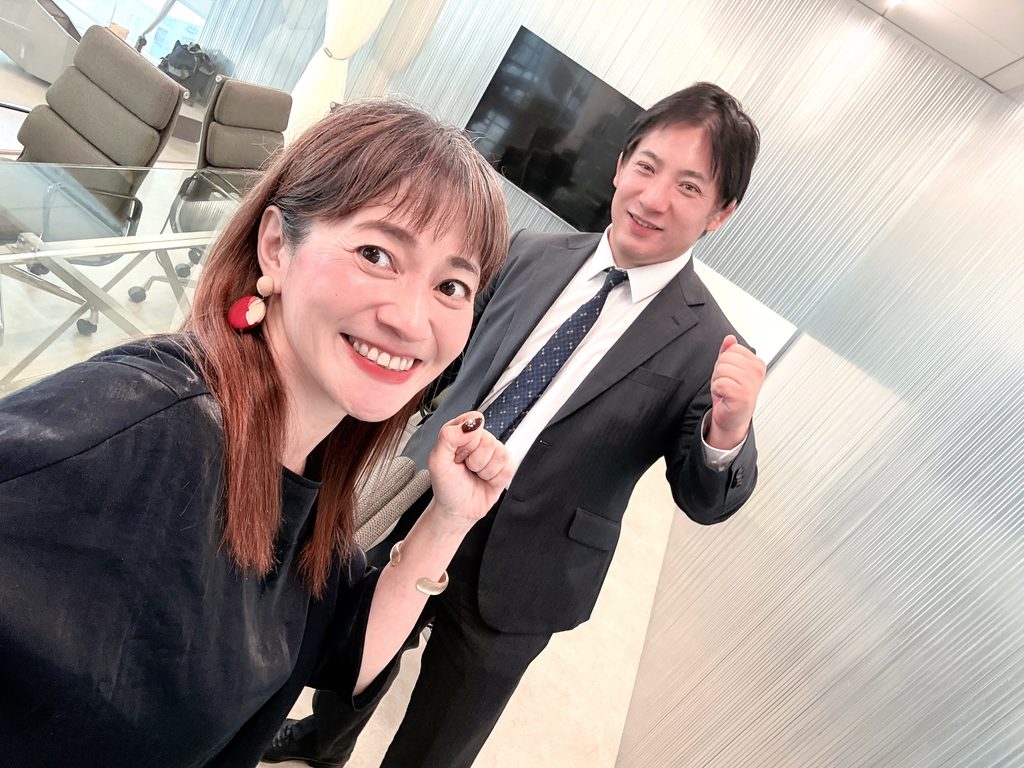
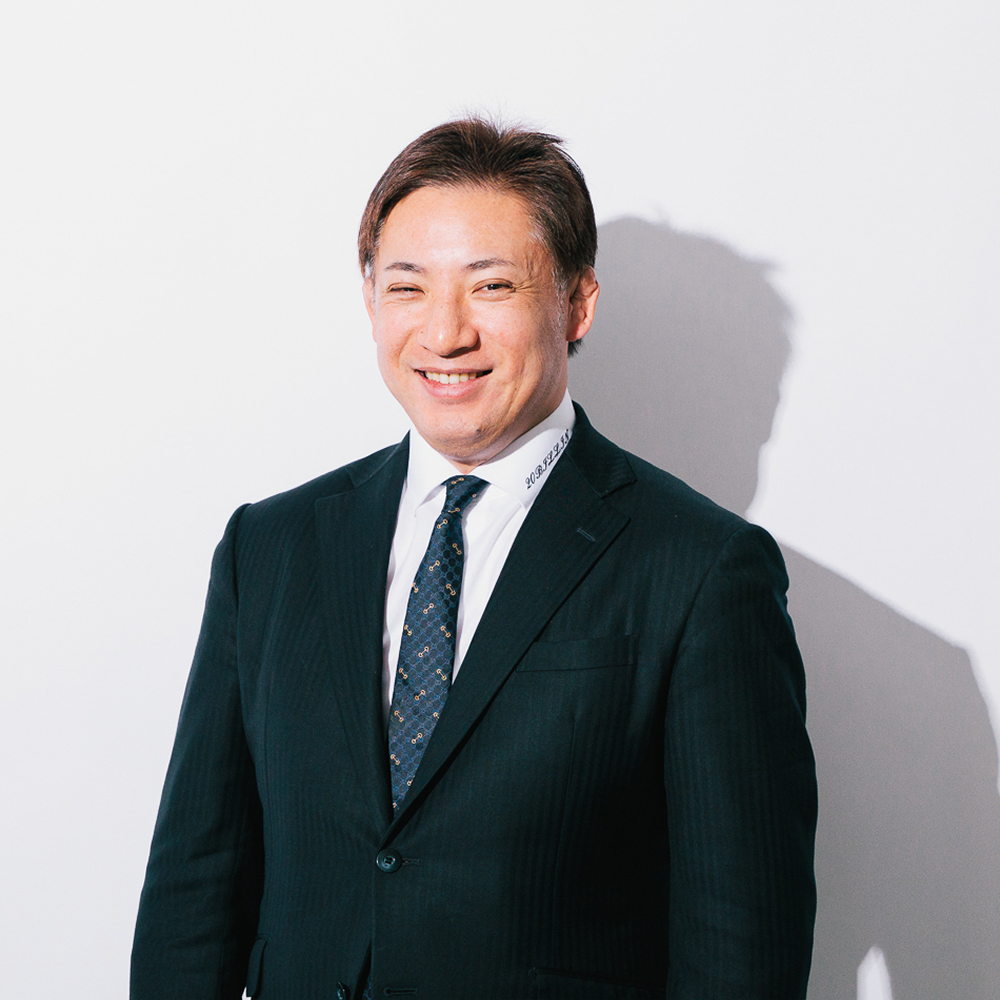
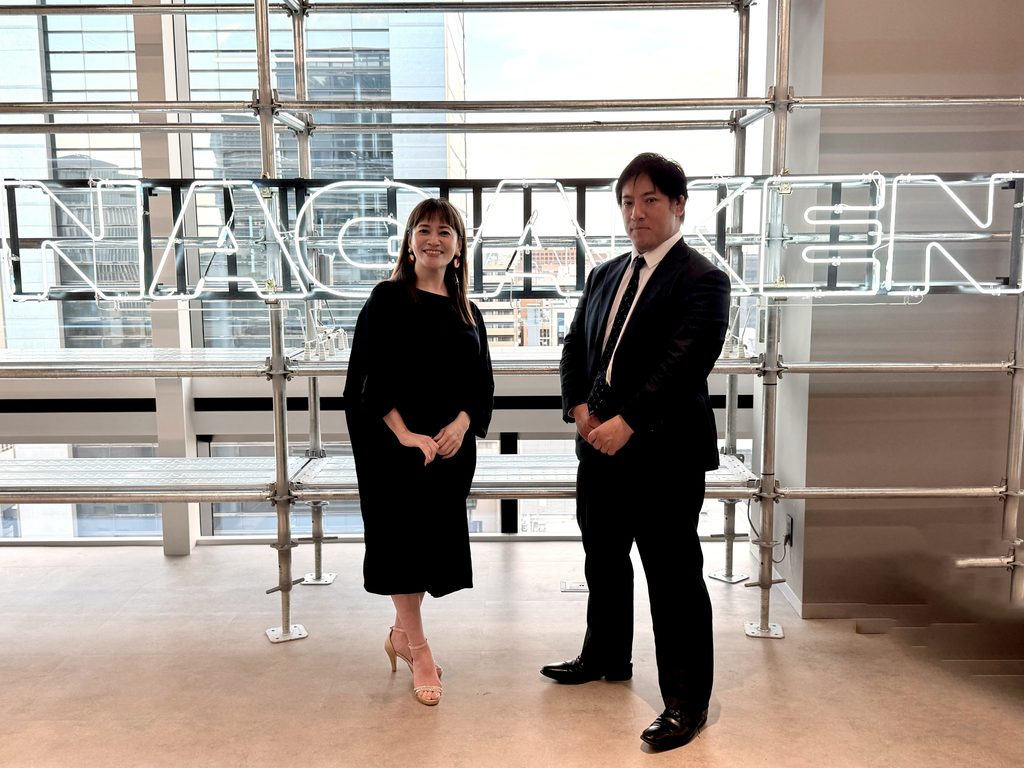
【PROFILE】
永草 孝憲(株式会社永賢組 代表取締役社長)
1955年創業、愛知県春日井市に本社を置く総合建設会社・株式会社永賢組の三代目。サッカーと総合格闘技に打ち込んだのち、24歳で入社。2012年に代表取締役に就任。就任時に約8億円だった規模を、人材のスカウト、M&Aによる事業承継、社内起業を通じて、グループ約170億円・321名体制へと成長させる。後継者不在に悩む建設会社を対等な仲間として迎えるグループづくりと、「直す」建設への転換を進めている。
Takanori Nagakusa, President and Representative Director, Nagakengumi Co., Ltd. (NAGAKEN)
Third-generation leader of NAGAKEN, a general contractor founded in 1955 in Kasugai, Aichi Prefecture. After devoting his youth to soccer and mixed martial arts, he joined the company at 24, became president in 2012, and has grown it into a group of 321 people.

【PROFILE】
真綺(Maki)
語りの芸術家/インタビュアー/コミュニケーション・スペシャリスト
8年間“しつもん力”を教え、日本語と英語の間で人の想いを橋渡ししてきた。
これまで国内外で、経営者、アーティスト、国際的イベントの登壇者など延べ数千人と対話。
世界的な授賞式や王室叙任式のスピーチ・通訳も担当し、言葉と存在感の両面から人の魅力を引き出す。
Maki
Word Painter / Interviewer / Communication Specialist
For eight years, Maki has taught the art of asking powerful questions, bridging stories between Japanese and English.
She has engaged in thousands of conversations with business leaders, artists, and speakers at international events, both in Japan and abroad.
Her work includes speeches and interpretation for global award ceremonies and royal investitures, capturing and conveying the essence of a person through both words and presence.
経営者の存在感を、言葉とストーリーに刻む。
真綺による日英インタビューにご興味のある企業様はこちらからお問い合わせください。





コメント